Agrimonia, Agrimony
Chinese Agrimony, Xian He Cao 仙鹤草
Xian He Cao (TCM

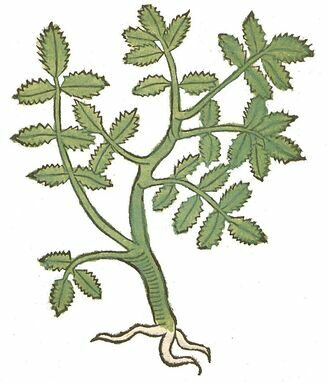
Herbarius Moguntinus, 1484
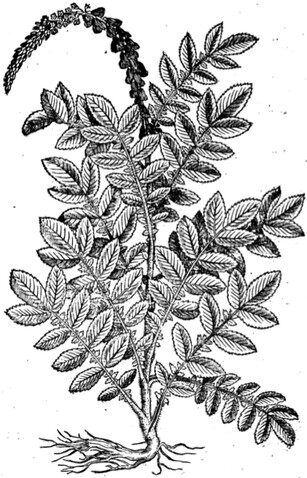
New Kreuterbuch, Matthiolus, 1563
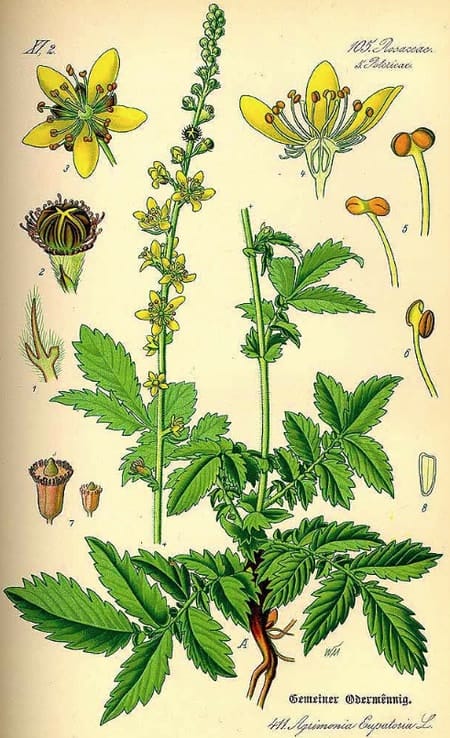
Thomé, O.W., Flora von Deutschland Österreich und der Schweiz, Tafeln, (1885)
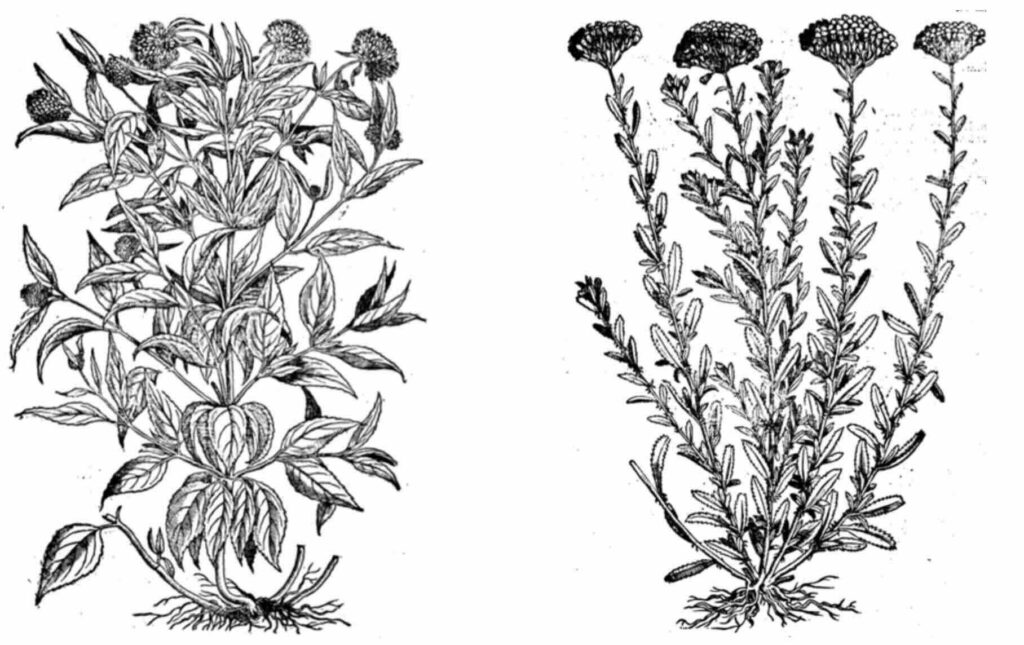
Eupatorium of Avicenna (left); Eupatorium of Mesue (right)
New Kreuterbuch, Matthiolus, 1563

Members CLICK HERE for the PRO VERSION
Botanical name:
Agrimonia eupatoria
A, pilosa and A. nipponica are used in TCM
Eupatorium of the Arabs are different plants with similar functions to Agrimony. Agrimony was generally used for them in Europe.
Parts used:
Herb; dehydrated Juice
Temperature & Taste:
Mildly Warm, dry; Bitter, Sour
thin, opening, cleansing, strengthening
Classification:
2A APERIENT MEDICINES. 2C INCIDERS. 2F. PURIFYING. 2P. HEMOSTATICS. 2T. GLUTINATE
3B. FEBRIFUGE & ANTIPYRETIC. 3C. ALEXIPHARMICS. 3E. DIURETIC. 3O. EMETIC
4e. STOMACHIC. 4f. SPLENETIC. 4g. HEPATIC
Uses:
1. Benefits the Liver, Clears Heat and Damp:
-Salmon said it ‘strongly fortifies the Liver’
-Culpeper said it is ‘admirable remedy for such whose Livers are annoyed by heat or cold’.
-Jaundice, Liver Abscess, Cholecystitis, Acute Hepatitis, Cirrhosis etc.
2. Moves the Blood, Resolves Stasis, Resolves Swellings and Masses: (TCM, West)
-Bruising, Trauma, Dislocation, Blood Stasis
3. Stops Leakage and Bleeding: (TCM, West)
-Diarrhea and Dysentery, Mucus Colitis; Ulcerative Colitis
-‘Very beneficial to the Bowels, healing all inward Wounds, Bruises, Hurts, and other distempers’ (Culpeper)
-specific for Passive Bleeding
-commonly used in TCM for all types of Bleeding depending on the herbs its combined with
4. Clears Damp-Heat, Promotes Urine:
-Edema, Cystitis, stoppage of Urine, Lumbar pain; ‘makes them urinate clear speedily’. (Culpeper)
5. Clears Phlegm, Stops Cough:
-Cough, Bronchitis, Catarrh, Wheezing
6. Clears Heat, Resists Poison: (TCM, West)
-Fevers including chronic and complex Fever
-Abscesses, Toxic Sores;
7. Benefits Qi and Blood:
-as a tonic in both East and West, primarily in Folk Medicine; related to its beneficial effect on the Liver
-in some areas of China it is used as a Qi tonic in exhaustion where it is called Tuo Li Cao 脱力草 (Loss-of-strength Herb) (Bensky)
-Anemia, Fatigue, Exhaustion
8. Kills Worms and Parasites: (TCM, West)
-Worms, especially Roundworm and Tapeworm (TCM, West; proven effect)
9. Externally:
-good in baths and enemas;
-topically for Dislocations and Joint Pain
-applied to various inflammations
-gargled for Sore Throat
-mixed with vinegar and salt and applied to Itch
-applied with Vinegar to Warts
-Malignant Ulcer (Weinmann, Phytanthoza iconographia, 1737)
-crushed fresh leaves are applied to Snake Bite (TCM, Fu Jian Min Jian Cao Yao [Fujian Folk Medicine])
Dose:
In Decoction: 3–15 grams
Of the Powder: 1–3 grams
Note:
1. The similar use, appearance and chemical composition of the Agrimonia species used in the West and TCM means that these species can be considered synonymous.
2. Agrimony was used by the Europeans in place of Eupatorium of the Arab physicians.
Substitutes:
Main Combinations:
Agrimony & Camomile
1. Liver Heat and Obstruction:
i. combine Agrimony with … available in PRO version
ii. Agrimony with … available in PRO version
2. Jaundice, Liver obstruction, Liver Tumors or Hardness, Agrimony with … available in PRO version
3. Jaundice, Liver obstruction, Chronic Fever, Agrimony with … available in PRO version
4. Cholelithiasis, Agrimony with … available in PRO version
5. Cholecystitis, Gall Bladder disease:
i. Agrimony with … available in PRO version
ii. Agrimony with … available in PRO version
6. Hepatitis, Agrimony with … available in PRO version
7. Diarrhea, Colitis, chronic Bowel complaints, Agrimony with … available in PRO version
8. Diabetes, combine Agrimony with … available in PRO version
9. Rheumatoid Arthritis, combine Agrimony with … available in PRO version
10. Edema, Dysuria, Agrimony with … available in PRO version
11. Incontinence:
i. Agrimony with … available in PRO version
ii. Agrimony with … available in PRO version
iii. Agrimony with … available in PRO version
12. Stones, Agrimony with … available in PRO version
13. Inflammation of the Breast, combine Agrimony with … available in PRO version
14. Consumption, Agrimony … available in PRO version
15. Scrofula, Lymphatic swellings:
i. Agrimony with … available in PRO version
ii. Agrimony with … available in PRO version
iii. Agrimony with … available in PRO version
16. Cancer:
i. Agrimony with … available in PRO version
ii. Agrimony with … available in PRO version
iii. Agrimony with … available in PRO version
17. Trauma, Wounds, Agrimony with … available in PRO version
18. Pain and Inflammations of the Limbs, Agrimony … available in PRO version
19. As a gargle for Apthae, Pharyngitis and Sore Throat, Agrimony with Sage
20. Ointment for Back Pain, Agrimony with … available in PRO version
21. Ointment for Bruising and Congealed Blood, Agrimony with … available in PRO version
Major Formulas
Opening Hepatic Decoction
Decoction for the Liver (Nicholas)
Syrup of Agrimony Mesue
Troches of Agrimony
Troches of Rose and Agrimony (Mesue)
Pills of Agrimony Lesser (Mesue)
Pills of Agrimony Greater (Mesue)
Electuary of Figwort (Avicenna)
Cautions:
Generally Safe.
In TCM it is not used in acute bacterial Diarrhea.
Main Preparations used:
Distilled Water, clarified Juice, Syrup; Salt from the ashes