Beijing Ink, Jing Mo 京墨
Jing Mo (TCM)
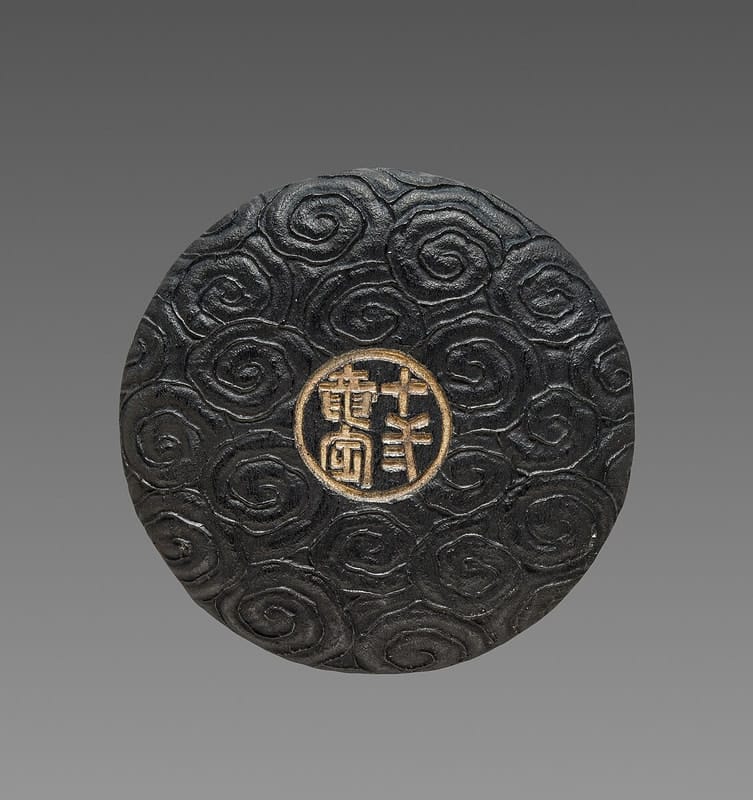
Traditional Ink Block (Photo from Cleveland Museum of Art) (Wikimedia)
Botanical name:
Pinus spp.
Ink made from the soot of burning pine wood, mixed with gum.
Parts used:
Ink
Temperature & Taste:
Warm, dry. Pungent.
Classification:
Uses:
1. Stops Bleeding:
–Nosebleeding
-Vomiting Blood, Blood in the Stool
-Postpartum Bleeding
-Bleeding from Wounds, apply topically
2. Externally:
–applied topically to stop Bleeding
-mixed with vinegar and applied to swellings
Dose:
1–2 grams
Preparation:
Pine soot is collected and mixed with gum and formed into bricks.
Main Combinations:
1. Blood in the urine, Beijing Ink, Barberry bark, Emblic Myrobalan, Licorice
Major Formulas:
Cautions:
None noted
Main Preparations used:
Ink has been used as a medicine in China since the Tang Dynasty.
Nothing at Present