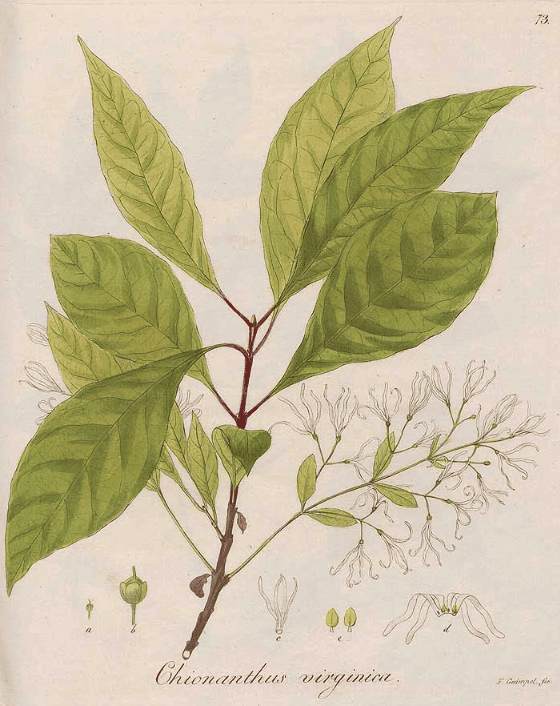
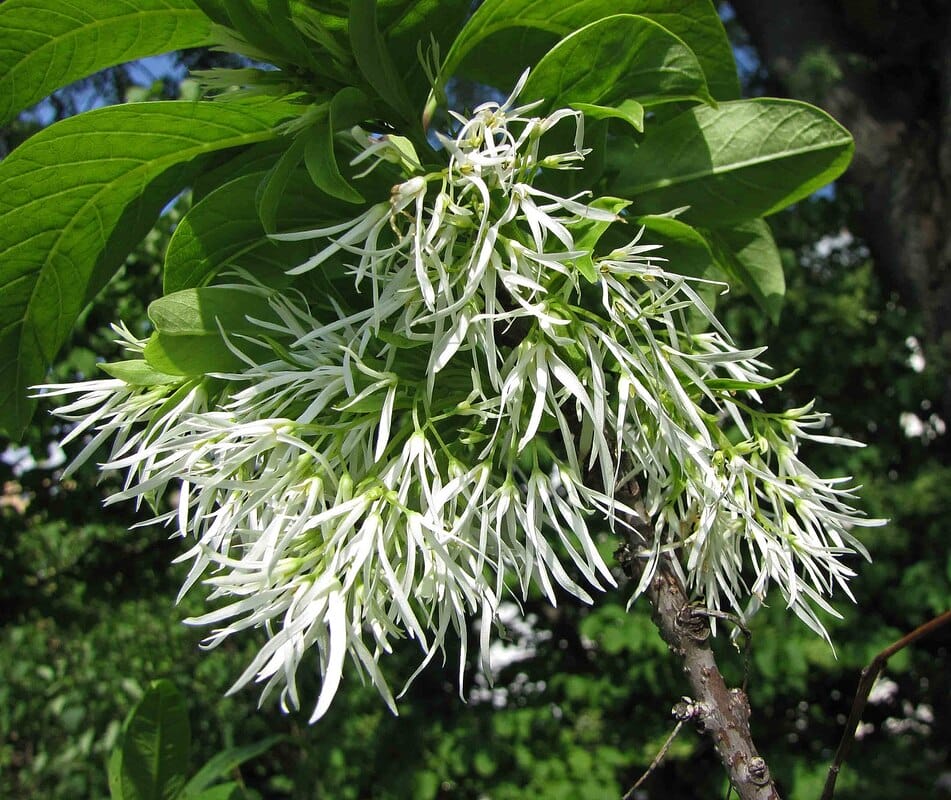
Chionanthus, Fringetree
Fringe-tree, Old Man’s Beard, Flowering Ash
Botanical name:
Chionanthus virginicus
Parts used:
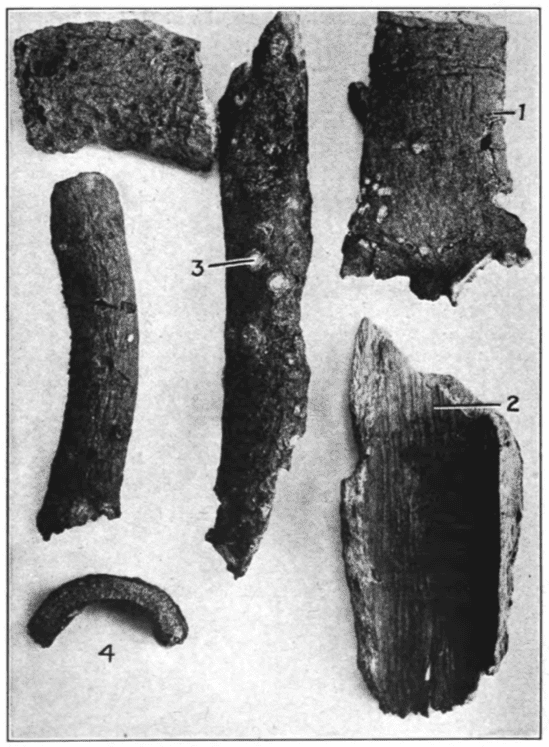
Root-bark
Temperature & Taste:
Cold, dry. Bitter
Uses:
1. Clears Liver Heat, Resolves Damp:
-Headache, red eyes, constipation
-Jaundice, Hepatic congestion
-Cholecystitis, Gall Stones
-Hepatitis, Liver swelling, Cirrhosis
-Pancreatitis
2. Clears Heat, Resists Poison:
-Malarial Fever, chronic Intermittent Fevers
-Typhoid Fever
3. Promotes Digestion:
-promotes appetite and digestion (as a bitter tonic)
-used for chronic weakness with poor digestion and liver involvement
4. Used for Diabetes:
-Diabetes, principally when there is Liver involvement
5. Externally:
-applied to Sores, Wounds, Ulcers and Scrofulous Ulcers
-poultice is applied to Inflammations
Dose:
Powder: 1–2 grams
Tincture (1:5 in 40% alcohol): 1–2 mls, 10 drops being a common dose, three times daily
Infusion: 1–2 teaspoonfuls per cup, 2–3 times daily
Main Combinations:
1. Jaundice:
i. Fringetree, Celandine, Dandelion,
2. Cholagogue, Fringetree, Celandine, Dandelion, St. Mary’s Thistle, Burdock, Nettle
3. To prevent Gall Stones, Chionanthus with Leptandra and Dandelion
4. Cirrhosis, Chionanthus, Agimony, St. Mary’s Thistle
Major Formulas:
Cautions:
Avoid overdose. It has been considered narcotic in overdose. (King)