Glycyrrhiza, Licorice, Gan Cao
Glycyrrhiza, Licorice, Gan Cao 甘草 Liquorice, Dulcis radix (‘Sweet root’)
Gan Cao (TCM)
Yastimadhu (Ayurveda)
Shing Mnar ཤིང་མངར (Tibetan)
Asl us Soos (Unani)

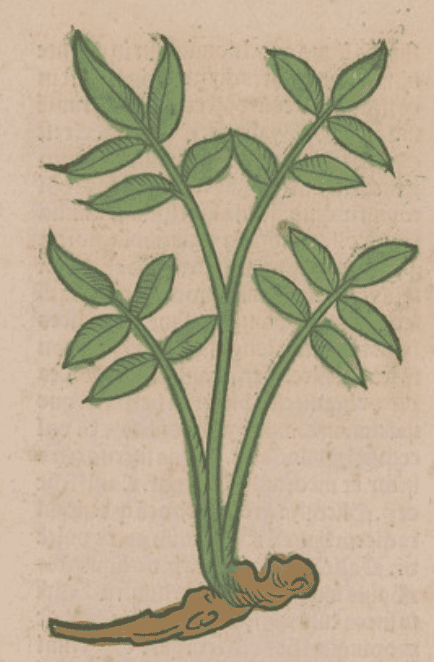
Ortus Sanitatis, Meydenbach, 1491
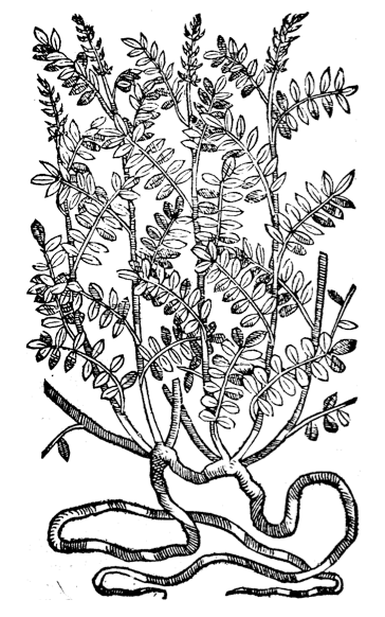
New Kreuterbuch, Matthiolus, 1563
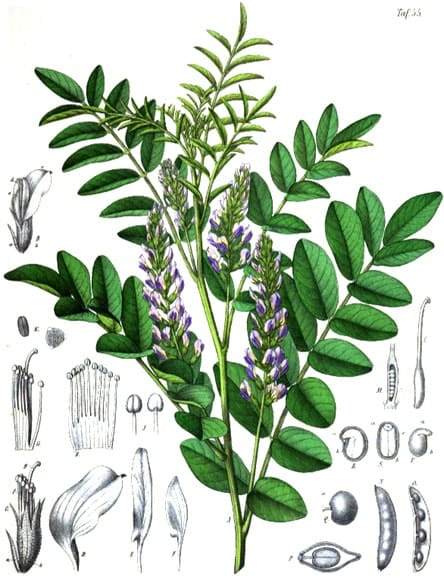
G. glabra
Atlas der officinellen pflanzen (2), Felix, 1899
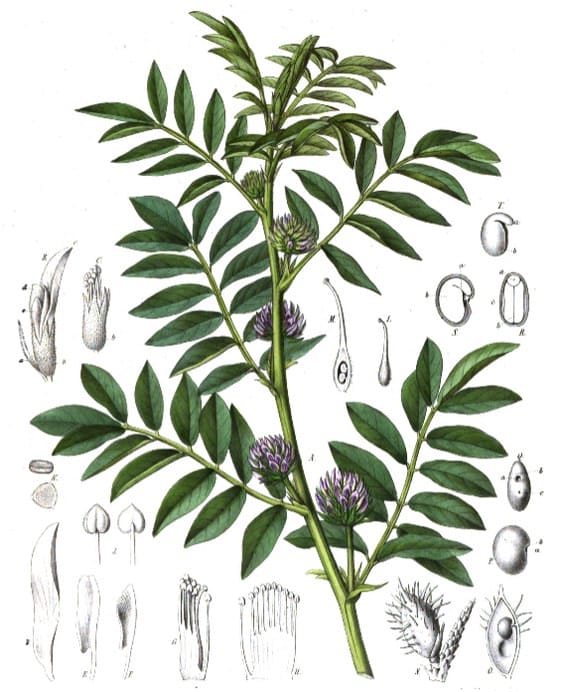
G. echinata
Darstellung und Beschreibung sammtliche, Berg, 1858
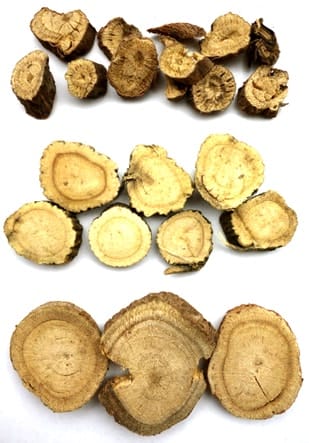
Left:
Three varieties of Licorice root available on the Chinese Market. The bottom is the highest quality being wild Licorice from XinJiang.
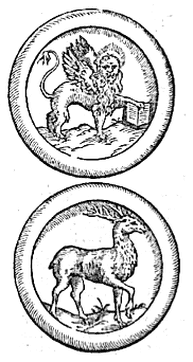
Licorice juice dried into round discs with
a sealed image out of Gerard’s Herbal.
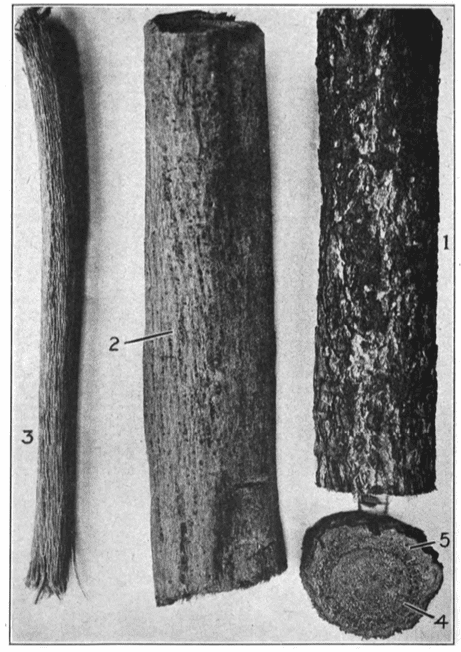
RUSSIAN LICORICE ROOT
1, Unpeeled root with gray and reddish-brown patches of cork. 2. Peeled root with small fissures. 3. Small peeled root. 4. Wood. 5. Thick cortex.
Squibb’s Atlas of the Official Drugs, Mansfield, 1919

SPANISH LICORICE ROOT
1. Rhizome showing wrinkled surface. 2. Small bud. 3, Longitudinal section showing central pith and cortex. 4. Cross-section of rhizome.

Botanical name:
Glycyrrhiza spp.
There are around 20 species of Glycyrrhiza, a number of species have been used as a source of ‘Licorice’:
1. G. glabra; regular ‘Licorice’, native to Eurasia
2. G. echinata (syn. G. inermis, G. macedonica), German, Roman, Hungarian, East European or Chinese Licorice.
3. G. glabra var. glanulifera, Russian Licorice
TCM uses G. uralensis, G. inflata (‘Chinese Licorice’). G. yunnanensis (‘Yunnan Licorice’) as well as G. glabra and others.
There is sufficient crossover of the above-named species to say they are synonymous in use, although some will be stronger than others.
Parts used:
1. Root
2. Honey-fried Root; Confected Root
3. Dehydrated Juice (Block Licorice)
Temperature & Taste:
Warm, moist. Sweet
Classifications:
2I. ANTISPASMODIC. 2L. EMOLLIENT. 2S. STRENGTHENING.
3B. FEBRIFUGE & ANTIPYRETIC. 3E. DIURETIC. 3H. LACTAGOGUE. 3L. ANTI-TUSSIVE. 3O. EMETICS
4d. PECTORAL. 4e. STOMACHIC. 4g. HEPATIC. 4h. NEPHRITIC. 4j. NERVINE
Uses:
1. Strengthens the Lungs, Clears Phlegm, Stops Cough: (TCM, West, Ayurveda)
-dry Cough, Wheezing, chronic Bronchitis
-Good for these conditions from Lung heat, dryness, or Lung deficiency, with or without Phlegm
2. Clears Heat and Poison, Benefits the Throat: (TCM, West)
-hoarseness, itching, soreness or irritation of the Throat
-a piece of root or the juice can be sucked
3. Clears Heat and Poison: (TCM, West)
-Sores, Boils, Eczema, Dermatitis, Impetigo, and other skin inflammations
-useful in various Allergies and Viral diseases.
4. Clears Heat, Quenches Thirst: (TCM, West)
-quenches Thirst for which it has been used since Dioscorides
-“Licorice quenches the Thirst due to its moist nature”. (Avicenna)
5. Tonifies the Spleen and Qi, Benefits Digestion: (TCM, West)
-weakness, fatigue and poor appetite associated with digestive weakness
-Peptic ulcers, gastritis, hyperacidity with pain; accepted for Gastro-duodenal Ulcers by Commission E.
6. Strengthen the Kidneys: (TCM, West, Ayurveda)
-Aphrodisiac; increases Semen, good for Sexual Debility (West, Ayurveda)
-Diabetes
-helps promote Ovulation
7. Calms and Benefits the Liver (TCM, West):
-muscular spasm, pain and tension
-Liver congestion, Biliousness
8. Benefits the Heart Qi (TCM, Ayurveda, West):
-weakness or deficiency of the energy or blood with irregular pulse and/or palpitations
-breathlessness associated with Heart weakness
9. Promotes Milk:
-adjunct to promote Lactation (Ayurveda)
10. Emetic:
-in Panchakarma of Ayurveda (cleansing therapies), large doses of Licorice decoction are used as an emetic.
11. Harmonises, Moderates and Guides Medicines, Moderates Poison:
-softens bitter or strong-tasting medicines, making them more acceptable to the Stomach
12. Externally:
-root is chewed to cleanse the mouth and teeth, and resist decay.
-dehydrated juice is dissolved under the tongue to quench thirst.
-topically for Eczema, Psoriasis and Herpes
-decoction was used as a wash for Erysipelas (Ayurveda)
-wash or eye drops is used for Conjunctivitis, Blepharitis and other inflammations of the eyes
-in hair oils to promote hair growth and for greying hair
Dose:
Powder: 500mg–3 grams (typically 1–2 grams);
Decoction: 2–9 grams (typically 3–6 grams);
Correctives:

Main Combinations:
Almond & Licorice
Anise & Licorice
Cinnamon & Licorice
Coltsfoot & Licorice
Elecampane & Licorice
Licorice & Comfrey
Peony & Licorice
Raisin & Licorice
Rose, Sandalwood & Licorice
1. Acute Sore Throat, Licorice with … available in PRO version
2. Cough in Children, Licorice with … available in PRO version
3. As a simple Pectoral decoction, Licorice with … available in PRO version
4. Cough, Bronchitis, Lung ulcers, Pleurisy, Licorice with … available in PRO version
5. Cough, Licorice with … available in PRO version
6. Cough, Hoarseness, loss of Voice, Asthma, spitting of Blood, Licorice with … available in PRO version
7. To strengthen the Lungs, Licorice with … available in PRO version
8. Consumption, Licorice with … available in PRO version
9. Combine Licorice with … available in PRO version
10. To promote Longevity, Virility and Intellect, and cure diseases of aging, Licorice with … available in PRO version
11. To promote Intelligence and as a Aphrodisiac, Licorice with … available in PRO version
12. Muscular pain, spasm and tension, cramps, Licorice with … available in PRO version
13. Heart tonic:
i. Licorice with … available in PRO version
ii. Licorice with … available in PRO version
14. Anemia, Licorice with … available in PRO version
15. Bleeding, vomiting Blood from Heat, Licorice with … available in PRO version
16. Edema, Licorice with … available in PRO version
17. To prepare for Birth, Licorice with … available in PRO version
18. To promote Milk in nursing mothers, Licorice with … available in PRO version
19. Acute Food Poisoning, Licorice with … available in PRO version
20. Baldness or Alopecia, Licorice with … available in PRO version
21. Wounds, Bruises, Burns, Licorice with … available in PRO version
22. To promote Hair growth, and for premature greying Hair, Licorice with … available in PRO version
Major Formulas
Infusion of Dr. Gill
Common Decoction
Decoction for Cough (Gabelhover)
Syrup of Licorice (Mesue)
Syrup of Maidenhair
Powder for Cold Cough
Powder of Licorice (Unani)
Black Troches for Cough (Trochisci Bechici) (Mesue)
Decoction to Strengthen the Lungs
Pills for Hot Cough (Zacharia)
Shao Yao Gan Cao Tang
Si Jun Zi Tang
Liu Jun Zi Tang
Xiang Sha Liu Jun Zi Tang
Bu Zhong Yi Qi Tang
Ling Gui Zhu Gan Tang
Li Zhong Wan
Er Chen Tang
Ba Zhen Tang
Shi Quan Da Bu Tang
Ma Huang Tang
Ma Xing Shi Gan Tang
Gui Zhi Tang
Gui Zhi Fu Zi Tang
Bai He Gu Jin Tang
Xiao Chai Hu Tang
Xiao Qing Long Tang
Da Qing Long Tang
Chai Hu Shu Gan San
Si Ni San
Ping Wei San
Zuo Gui Yin
You Gui Yin
Barberry 8 Powder (Skyer sun brgyad pa) (Tibetan Medicine)
Raisin 7 (Tibetan Medicine)
Clove 6 (Li shi drug pa) (Tibetan Medicine)
Tabasheer 9
Sandalwood 8 (Tsan dan brgyad pa) (Tibetan Medicine)
Sea Buckthorn 5 (Star bu 5) (Tibetan Medicine)
Cautions:
1. Not used in Phlegm conditions (without correction)
2. Full doses are not generally used on an extended basis; smaller doses as in powders is better for long-term use.
3. Edema, osteoporosis, and hypertension may be caused or aggravated by long-term use.
4. Incompatible with Euphorbia and Daphne species. (TCM)
Main Preparations used:
Licorice Juice, Syrup, Black Troches
From Pharmacographia Indica, Dymock, 1890
‘Liquorice grows wild in Arabia, Persia, Turkistan and Afghanistan, and has been introduced in to the Punjab and Sind. Kinneir observed it growing abundantly near Basra, and Aitchison found it growing abundantly all over the Badghis and throughout the Harirud and Khorasan districts. In Persia glass-bottle-makers use the wood for melting their materials, as they say it gives a greater heat than any other kind of fuel. The root, in Sanskrit called Yashtimadhu and Madhuka, must have been known to the Hindus from a very early date, as it is mentioned by Susruta. Hindu works describe it as demulcent, cooling and useful in cough, hoarseness, &c. It is also recommended as a flavouring agent, and enters into the composition of many external cooling applications.
Abu Hanifeh describes Sus as a well-known plant, the expressed juice of which is an ingredient in medicine. He says the roots are sweet and the branches bitter. El Mutarrizi in the Mughrib states that the leaves are put into the beverage called nabid to make it strong. The modern Arabs call the root Irk-es-sus, and make a strong infusion of it which they drink. The dried juice is called Rab-es-sus; it is made by the Arabs, Turkomans, and Persians at Yezd. In Persia the liquorice plant is called Mehak and Mazhu.
The author of the Makhzan-el-Adwiya gives a lengthy description of the plant, and directs the root to be decorticated before it is used. He says that the Egyptian is the best, next that of Irak, and then Syrian. The root is considered hot, dry and suppurative, demulcent and lenitive, relieving thirst and cough, and removing unhealthy humours, also diuretic and emmenagogue, useful in asthma and irritable conditions of the bronchial passages. Ibn Sina recommends the decoction in cold colic; it is also dropped into the eyes to strengthen the sight. A poultice made of the leaves is said to be a cure for scald head, and stinking of the feet or armpits. Muhammad bin Ahmad and Yohanna bin Serapion recommend the seeds as being the most active part of the plant’.
From Pharmacographia, Fluckiger & Hanbury, 1879
1. Licorice root
‘Theophrastus a in commenting on the taste of different roots (3rd cent. B.C.) instances the sweet Scythian root which grows in the neighbourhood of the lake Maeotis (Sea of Azov), and is good for asthma, dry cough and all pectoral diseases,— an allusion unquestionably to liquorice. Dioscorides, who calls the plant [?] notices its glutinous leaves and purplish flowers, but as he describes the pods to be in balls resembling those of the plane, and the roots to be sub-austere as well as sweet, it is possible he had in view Glycyrrhiza echinata L. as well as G. glabra.
Roman writers, as Celsus and Scribonius Largus, mention liquorice as Radix dulcis. Pliny, who describes it as a native of Cilicia and Pontus, makes no allusion to it growing in Italy.
The cultivation of liquorice in Europe does not date from a very remote period, as we conclude from the absence of the name in early mediaeval lists of plants. It is, for instance, not enumerated among the plants which Charlemagne ordered (a.d. 812) to be introduced from Italy into Central Europe; nor among the herbs of the convent gardens as described by Walafridus Strabus, abbot of Reichenau, lake of Constance, in the 9th century; nor yet in the copious list of herbs contained in the vocabulary of Alfric, archbishop of Canterbury in the 10th century.
On the other hand, liquorice is described as being cultivated in Italy by Pierode Crescenzi] of Bologna, who lived in the 13th century. The cultivation of the plant in the north of England existed at the close of the 16th century, but how much earlier we have not been able to trace.
As a medicine the drug was well known in Germany in the 11th century, and an extensive cultivation of the plant was carried on near Bamberg, Bavaria, in the 16th century, so that in many of the numerous pharmaceutical tariffs of those times in Germany not only Glycyrrhizoe succus creticus, seu candiacus, seu venetus is quoted, but also expressly that of Bamberg.
The word Liquiritia, whence is derived the English name Liquorice (Lycorya in the 13th century), is a corruption of Glycyrrhiza, as shown in the transitional mediaeval form Gliquiricia. The Italian Regolizia, the German Lacrisse or Lakriz, the Welsh Lacris, and the French Reglisse (anciently Requelice or Recolice) have the same origin’.
2. Licorice Juice
‘Inspissated liquorice juice was known in the time of Dioscorides, and may be traced in the writings of Oribasius and Marcellus Empiricus in the latter half of the 4th century, and in those of Paulus Aegineta in the 7th. It appears to have been in common use in Europe during the middle ages. In A.D. 1264, “Liquorice” is charged in the Wardrobe Accounts of Henry III.; and as the article cost 3d. per lb.,or the same price as grains of paradise and one-third that of cinnamon, we are warranted in supposing the extract and not the mere root is intended. Again, in the Patent of Pontage granted by Edward L, A.D. 1305, to aid in repairing the London Bridge, permission is given to lay toll on various foreign commodities including Liquorice. A political song written in 1436 makes mention of Liquorice as a production of Spain, but the plant is not named as an object of cultivation by Herrera, the author of a work on Spanish agriculture in 1513. Saladiuus, who wrote about the middle of the 15th century, names it among the wares kept by the Italian apothecaries ; and it is enumerated in a list of drugs of the city of Frankfort written about the year 1450.
Dorsten, in the first half of the 16th century, mentions the liquorice plant as abundant in many parts of Italy, and describes the method of making the Succus by crushing and boiling the fresh root. Mattioli states that the juice made into pastilli was brought every year from Apulia, and especially from the neighbourhood of Monte Gargano. Extract of liquorice was made at Bamberg in Germany, where the plant is still largely cultivated, as early as 1560.’
Preparation of Licorice Juice
‘This is conducted on a large scale in Spain, Southern France, Sicily, Calabria, Austria, Southern Russia (Astracan and Kasan), Greece (Patras) and Asia Minor (Sokia and Nazli, near Smyrna); but the extract with which England is supplied is almost exclusively the produce of Calabria, Sicily and Spain.
The process of manufacture varies only by reason of the amount of intelligence with which it is performed, and the greater or less perfection of the apparatus employed. As witnessed by one of us at Rossano in Calabria in May, 1872, it may be thus described from notes made at the time. The factory employs about 60 persons, male and female. The root having been taken from the ground the previous winter, is stacked in the yard around the factory; it is mostly of the thickness of the fingers, with here and there a piece of larger size up to a diameter of nearly 2 inches; some of it sprouting.
As required, the root is taken within the building and crushed under a heavy millstone to a pulp, water-power being employed. It is then transferred to boilers and boiled with water over a naked fire. The decoction is run off and the residual root pressed in circular bags like those used in the olive-mills. The liquor which is received into cisterns below the floor is then pumped up into copper pans, in which the evaporation is conducted also over the naked fire— even to the very last, care being taken by constant stirring to avoid burning the extract. The extract or pasta is removed from the pan while warm, and taken in small quantities to an adjoining apartment where a number of women are employed in rolling it into sticks. It is first weighed into portions, each of which the woman seated at the end of a long table tears with her hand into about a dozen pieces. These are passed to the women sitting next who roll them with their hands into cylindrical sticks, the table on which the rolling is done being of wood, and the pasta moistened with oil to prevent its adhesion to the hands. Near the further end of the table are some frames made of marble or metal, clean and bright, so arranged as to bring the sticks when rolled in them to the proper length and thickness. When thus adjusted, they are carefully ranged on a board, and a woman then stamps them with the name of the manufacturer. Lastly the sticks laid on boards are stacked up in a room to dry.
In some establishments the vacuum pan has been introduced for the inspissation of the decoction. At the great manufactory of Mr. A.O. Clarke at Sokia near Smyrna, all the processes are performed by steam power.’ (Pharmacographia, Fluckiger & Hanbury, 1879)
GENERAL / REVIEW
–Liquorice (Glycyrrhiza glabra): the journey of the sweet root from Mesopotamia to England.
–Glycyrrhiza glabra (Licorice): A Comprehensive Review on Its Phytochemistry, Biological Activities, Clinical Evidence and Toxicology.
–Glycyrrhiza Genus: Enlightening Phytochemical Components for Pharmacological and Health-Promoting Abilities.
–Isolation, structural characterization, biological activity, and application of Glycyrrhiza polysaccharides: Systematic review.
–Traditional Uses, Bioactive Chemical Constituents, and Pharmacological and Toxicological Activities of Glycyrrhiza glabra L. (Fabaceae).
–A Comprehensive Review for Phytochemical, Pharmacological, and Biosynthesis Studies on Glycyrrhiza spp.
–Isolations, characterizations and bioactivities of polysaccharides from the seeds of three species Glycyrrhiza.
–Liquorice (Glycyrrhiza glabra): A phytochemical and pharmacological review.
–The genetic and chemical diversity in three original plants of licorice, Glycyrriza uralensis Fisch., Glycyrrhiza inflata Bat. and Glycyrrhiza glabra L.
–Review – Glycyrrhiza glabra L. (Liquorice).
–Pharmacological Effects of Glycyrrhiza spp. and Its Bioactive Constituents: Update and Review.
ANTIBACTERIAL
–Isolation and antimicrobial activities of actinobacteria closely associated with liquorice plants Glycyrrhiza glabra L. and Glycyrrhiza inflate BAT. in Xinjiang, China.
–Comparative analysis of antibacterial properties and chemical composition of Glycyrrhiza glabra L. from Astrakhan region (Russia) and Calabria region (Italy).
ANTI-VIRAL
–Revisiting liquorice (Glycyrrhiza glabra L.) as anti-inflammatory, antivirals and immunomodulators: Potential pharmacological applications with mechanistic insight.
–Uralsaponins M-Y, antiviral triterpenoid saponins from the roots of Glycyrrhiza uralensis.
COVID
–Licorice (Glycyrrhiza glabra) Extracts-Suitable Pharmacological Interventions for COVID-19? A Review.
–Chemical composition and pharmacological mechanism of ephedra-glycyrrhiza drug pair against coronavirus disease 2019 (COVID-19).
–Coronavirus-19: Possible Therapeutic Implications of Spironolactone and Dry Extract of Glycyrrhiza glabra L. (Licorice).
–Molecular docking and ADMET study of bioactive compounds of Glycyrrhiza glabra against main protease of SARS-CoV2.
COXSACKIE
–Glycyrrhizic acid as the antiviral component of Glycyrrhiza uralensis Fisch. against coxsackievirus A16 and enterovirus 71 of hand foot and mouth disease.
ENTEROVIRUS
–Glycyrrhizic acid as the antiviral component of Glycyrrhiza uralensis Fisch. against coxsackievirus A16 and enterovirus 71 of hand foot and mouth disease.
HEPATITIS
–Anti-hepatitis C virus compounds obtained from Glycyrrhiza uralensis and other Glycyrrhiza species.
HERPES
–The Effect of Aqueous Extract of Glycyrrhiza glabra on Herpes Simplex Virus 1.
INFLUENZA:
–Potential antiviral effects of some native Iranian medicinal plants extracts and fractions against influenza A virus.
NEWCASTLE
–In vivo antiviral potential of Glycyrrhiza glabra extract against Newcastle disease virus.
–Comparative study to evaluate the anti-viral efficacy of Glycyrrhiza glabra extract and ribavirin against the Newcastle disease virus.
ROTAVIRUS
–Anti-rotaviral effects of Glycyrrhiza uralensis extract in piglets with rotavirus diarrhea.
ANTI-FUNGAL
–Fungicidal Activity and Mechanism of Action of Glabridin from Glycyrrhiza glabra L.
ANTI-MALARIAL
–Antiplasmodial Property of Glycyrrhiza glabra Traditionally Used for Malaria in Iran: Promising Activity with High Selectivity Index for Malaria.
–In silico and in vivo anti-malarial studies of 18β glycyrrhetinic acid from Glycyrrhiza glabra.
ANTI-INFLAMMATORY
–The Anti-Inflammatory Properties of Licorice (Glycyrrhiza glabra)-Derived Compounds in Intestinal Disorders.
–Revisiting liquorice (Glycyrrhiza glabra L.) as anti-inflammatory, antivirals and immunomodulators: Potential pharmacological applications with mechanistic insight.
–NLRP3 Inflammasome Pharmacological Inhibitors in Glycyrrhiza for NLRP3-Driven Diseases Treatment: Extinguishing the Fire of Inflammation.
–Effects of a pinitol-rich Glycyrrhiza glabra L. leaf extract on insulin and inflammatory signaling pathways in palmitate-induced hypertrophic adipocytes.
–Antioxidant and Anti-Inflammatory Activities of Flavanones from Glycyrrhiza glabra L. (licorice) Leaf Phytocomplexes: Identification of Licoflavanone as a Modulator of NF-kB/MAPK Pathway.
–Constituents Isolated from the Leaves of Glycyrrhiza uralansis and Their Anti-Inflammatory Activities on LPS-Induced RAW264.7 Cells.
–Evidence for Anti-Inflammatory Activity of Isoliquiritigenin, 18β Glycyrrhetinic Acid, Ursolic Acid, and the Traditional Chinese Medicine Plants Glycyrrhiza glabra and Eriobotrya japonica, at the Molecular Level.
–Chemical Profile and Anti-inflammatory Activity of Total Flavonoids from Glycyrrhiza Uralensis Fisch.
ANTI-ALLERGIC
–Effect of hot water extract of a glycyrrhizin-deficient strain of Glycyrrhiza uralensis on contact hypersensitivity in mice.
–Evaluation of the safety and efficacy of Glycyrrhiza uralensis root extracts produced using artificial hydroponic and artificial hydroponic-field hybrid cultivation systems III: anti-allergic effects of hot water extracts on IgE-mediated immediate hypersensitivity in mice.
ANTIOXIDANT
–Antioxidant and Anti-Melanogenic Activities of Heat-Treated Licorice (Wongam, Glycyrrhiza glabra × G. uralensis) Extract.
–The antioxidant effectiveness of liquorice (Glycyrrhiza glabra L.) extract administered as dietary supplementation and/or as a burger additive in rabbit meat.
–Antioxidant and Anti-Inflammatory Activities of Flavanones from Glycyrrhiza glabra L. (licorice) Leaf Phytocomplexes: Identification of Licoflavanone as a Modulator of NF-kB/MAPK Pathway.
–Eight new triterpenoid saponins with antioxidant activity from the roots of Glycyrrhiza uralensis Fisch.
–Purification, partial characterization and antioxidant activity of polysaccharides from Glycyrrhiza uralensis.
IMMUNOMODULATORY / IMMUNOSTIMULANT
–Revisiting liquorice (Glycyrrhiza glabra L.) as anti-inflammatory, antivirals and immunomodulators: Potential pharmacological applications with mechanistic insight.
–Effect of Licorice (Glycyrrhiza glabra) Extract as an Immunostimulant on Serum and Skin Mucus Immune Parameters, Transcriptomic Responses of Immune-Related Gene, and Disease Resistance Against Yersinia ruckeri in Rainbow Trout (Oncorhynchus mykiss).
–The immunostimulatory activity of polysaccharides from Glycyrrhiza uralensis.
–Preparation, Characterization, and Immuno-Enhancing Activity of Polysaccharides from Glycyrrhiza uralensis.
–The immunomodulatory activities of licorice polysaccharides (Glycyrrhiza uralensis Fisch.) in CT 26 tumor-bearing mice.
–Immunomodulatory and anticancer potential of Gan cao (Glycyrrhiza uralensis Fisch.) polysaccharides by CT-26 colon carcinoma cell growth inhibition and cytokine IL-7 upregulation in vitro.
ANTI-TOXIN–ACONITE, NUX VOMICA, CADMIUM ETC
–Glycyrrhiza uralensis promote the metabolism of toxic components of Aconitum carmichaeli by CYP3A and alleviate the development of chronic heart failure.
–Glycyrrhiza uralensis Fisch. and its active components mitigate Semen Strychni-induced neurotoxicity through regulating high mobility group box 1 (HMGB1) translocation.
–The genus Glycyrrhiza (Fabaceae family) and its active constituents as protective agents against natural or chemical toxicities.
–Effect of Aqueous Extract of Glycyrrhiza glabra on the Biochemical Changes Induced by Cadmium Chloride in Rats.
–In vitro studies on protective effect of Glycyrrhiza glabra root extracts against cadmium-induced genetic and oxidative damage in human lymphocytes.
ANTITHROMBOTIC
–Antithrombotic phenolic compounds from Glycyrrhiza uralensis.
CARDIOPROTECTIVE
–Cardioprotective effects of Glycyrrhiza uralensis extract against doxorubicin-induced toxicity.
MYOCARDIAL ISCHEMIA
–Glycyrrhiza glabra protects from myocardial ischemia-reperfusion injury by improving hemodynamic, biochemical, histopathological and ventricular function.
RESPIRATORY TRACT INFECTIONS
–Pharmacological Efficacy and Safety of Glycyrrhiza glabra in the treatment of respiratory tract infections.
–Effect of aquo-alchoholic extract of Glycyrrhiza glabra against Pseudomonas aeruginosa in Mice Lung Infection Model.
ALLERGIC RHINITIS
–Nasal irrigation with Glycyrrhiza glabra extract for treatment of allergic rhinitis – A study of in vitro, in vivo and clinical trial.
ACUTE SINUSITIS
–Treatment of a Woman With Glycyrrhiza glabra for Acute Sinusitis: A Case Report.
COPD
–Compound Glycyrrhiza Oral Solution alleviates oxidative stress and inflammation by regulating SRC/MAPK pathway in chronic obstructive pulmonary disease.
TUBERCULOSIS
–Inhalable liposomes of Glycyrrhiza glabra extract for use in tuberculosis: formulation, in vitro characterization, in vivo lung deposition, and in vivo pharmacodynamic studies.
–Anti-tubercular agents from Glycyrrhiza glabra.
PULMONARY FIBROSIS
–The effects of methanolic extract of Glycyrrhiza glabra on the prevention and treatment of bleomycin-induced pulmonary fibrosis in rat: experimental study.
HEPATOPROTECTIVE
–Hepatoprotective effect of total flavonoids from Glycyrrhiza uralensis Fisch in liver injury mice.
–Protective effects of Glycyrrhiza glabra supplementation against methotrexate-induced hepato-renal damage in rats: An experimental approach.
–Isolation, structural elucidation and in vitro hepatoprotective activity of flavonoids from Glycyrrhiza uralensis.
–Hepatoprotective and antioxidant effects of dietary Glycyrrhiza polysaccharide against TCDD-induced hepatic injury and RT-PCR quantification of AHR2, ARNT2, CYP1A mRNA in Jian Carp (Cyprinus carpio var. Jian).
–Hepatoprotective effect of licorice, the root of Glycyrrhiza uralensis Fischer, in alcohol-induced fatty liver disease.
–Hepatoprotective triterpene saponins from the roots of Glycyrrhiza inflata.
–Hepatoprotective Effects of Silybum marianum (Silymarin) and Glycyrrhiza glabra (Glycyrrhizin) in Combination: A Possible Synergy.
HEPATIC FIBROSIS
–Structures and In Vitro Antihepatic Fibrosis Activities of Prenylated Dihydrostilbenes and Flavonoids from Glycyrrhiza uralensis Leaves.
HYPNOTIC
–Hypnotic effects and GABAergic mechanism of licorice (Glycyrrhiza glabra) ethanol extract and its major flavonoid constituent glabrol.
ANTI-CONVULSANT
–Anti-convulsant action and amelioration of oxidative stress by Glycyrrhiza glabra root extract in pentylenetetrazole- induced seizure in albino rats.
NEUROPROTECTIVE
–Glycyrrhiza uralensis Fisch. and its active components mitigate Semen Strychni-induced neurotoxicity through regulating high mobility group box 1 (HMGB1) translocation.
–Metabolomics analysis highlights Yashtimadhu (Glycyrrhiza glabra L.)-mediated neuroprotection in a rotenone-induced cellular model of Parkinson’s disease by restoring the mTORC1-AMPK1 axis in autophagic regulation.
–Data on dose-dependent cytotoxicity of rotenone and neuroprotection conferred by Yashtimadhu (Glycyrrhiza glabra L.) in an in vitro Parkinson’s disease model.
–Prevention of MEK-ERK-1/2 hyper-activation underlines the neuroprotective effect of Glycyrrhiza glabra L. (Yashtimadhu) against rotenone-induced cellular and molecular aberrations.
–Identification of Molecular Network Associated with Neuroprotective Effects of Yashtimadhu (Glycyrrhiza glabra L.) by Quantitative Proteomics of Rotenone-Induced Parkinson’s Disease Model.
–Chinese Herbal Medicine Glycyrrhiza inflataReduces Aβ Aggregation and Exerts Neuroprotection through Anti-Oxidation and Anti-Inflammation.
LEARNING & MEMORY
–Beneficial effect of aqueous root extract of Glycyrrhiza glabra on learning and memory using different behavioral models: An experimental study.
DEPRESSION
–Adjunct Therapy With Glycyrrhiza Glabra Rapidly Improves Outcome in Depression-A Pilot Study to Support 11-Beta-Hydroxysteroid Dehydrogenase Type 2 Inhibition as a New Target.
–[Antidepressant activities of flavonoids from Glycyrrhiza uralensis and its neurogenesis protective effect in rats].
PARKINSON’S DISEASE
–Metabolomics analysis highlights Yashtimadhu (Glycyrrhiza glabra L.)-mediated neuroprotection in a rotenone-induced cellular model of Parkinson’s disease by restoring the mTORC1-AMPK1 axis in autophagic regulation.
–Data on dose-dependent cytotoxicity of rotenone and neuroprotection conferred by Yashtimadhu (Glycyrrhiza glabra L.) in an in vitro Parkinson’s disease model.
ALZHEIMER’S DISEASE
–Licochalcone B, a chalcone derivative from Glycyrrhiza inflata, as a multifunctional agent for the treatment of Alzheimer’s disease.
GASTROPROTECTIVE
–Gastroprotective and gastric motility benefits of AD-lico/Healthy Gut™ Glycyrrhiza inflata extract.
DYSPEPSIA
–An Extract of Glycyrrhiza glabra (GutGard) Alleviates Symptoms of Functional Dyspepsia: A Randomized, Double-Blind, Placebo-Controlled Study.
GASTRIC ULCER
–Multipathway Integrated Adjustment Mechanism of Glycyrrhiza Triterpenes Curing Gastric Ulcer in Rats.
–Antiulcer properties of Glycyrrhiza glabra L. extract on experimental models of gastric ulcer in mice.
–The healing effect of licorice (Glycyrrhiza glabra) on Helicobacter pylori infected peptic ulcers.
–In vitro anti-Helicobacter pylori activity of a flavonoid rich extract of Glycyrrhiza glabra and its probable mechanisms of action.
IMPROVES GUT HEALTH
–Effects of dietary Glycyrrhiza polysaccharide supplementation on growth performance, intestinal antioxidants, immunity and microbiota in weaned piglets.
–Effects of Glycyrrhiza Polysaccharides on Chickens’ Intestinal Health and Homeostasis.
–Polysaccharides derived from Astragalus membranaceus and Glycyrrhiza uralensis improve growth performance of broilers by enhancing intestinal health and modulating gut microbiota.
–A flavonoid rich standardized extract of Glycyrrhiza glabra protects intestinal epithelial barrier function and regulates the tight-junction proteins expression.
–Effect of Flavonoid-Rich Extract of Glycyrrhiza glabra on Gut-Friendly Microorganisms, Commercial Probiotic Preparations, and Digestive Enzymes.
IMPROVES GROWTH PERFORMANCE
–Effects of dietary Glycyrrhiza polysaccharide on growth performance, blood parameters and immunity in weaned piglets.
–Effects of dietary Glycyrrhiza polysaccharide supplementation on growth performance, intestinal antioxidants, immunity and microbiota in weaned piglets.
INFLAMMATORY BOWEL DISEASE / ULCERATIVE COLITIS
–The Anti-Inflammatory Properties of Licorice (Glycyrrhiza glabra)-Derived Compounds in Intestinal Disorders.
–Glycyrrhiza Polysaccharide Alleviates Dextran Sulfate Sodium-Induced Ulcerative Colitis in Mice.
–Effect of Glycyrrhiza uralensis against ulcerative colitis through regulating the signaling pathway of FXR/P-gp.
–Total Flavonoids of Glycyrrhiza uralensis Alleviates Irinotecan-Induced Colitis via Modification of Gut Microbiota and Fecal Metabolism.
–Augmented reduction in colonic inflammatory markers of dextran sulfate sodium-induced colitis with a combination of 5-aminosalicylic acid and AD-lico™ from Glycyrrhiza inflata.
RENOPROTECTIVE
–Glycyrrhiza uralensis root extract ameliorates high glucose-induced renal proximal tubular fibrosis by attenuating tubular epithelial-myofibroblast transdifferentiation by targeting TGF-β1/Smad/Stat3 pathway.
–Ameliorative impacts of Glycyrrhiza glabra root extract against nephrotoxicity induced by gentamicin in mice.
–Protective effects of Glycyrrhiza glabra supplementation against methotrexate-induced hepato-renal damage in rats: An experimental approach.
DIABETES
–Effects of a pinitol-rich Glycyrrhiza glabra L. leaf extract on insulin and inflammatory signaling pathways in palmitate-induced hypertrophic adipocytes.
–Glycyrrhiza glabra alcoholic root extract ameliorates hyperglycemia, hyperlipidemia, and glycation-induced free iron-mediated oxidative reactions.
–Antihyperglycemic Activity of Hydroalcoholic Extracts of Selective Medicinal Plants Curcuma longa, Lavandula stoechas, Aegle marmelos, and Glycyrrhiza glabra and Their Polyherbal Preparation in Alloxan-Induced Diabetic Mice.
METABOLIC SYNDROME
–A Review of Glycyrrhiza glabra (Licorice) Effects on Metabolic Syndrome.
ANTI-OBESITY
–Anti-obesity potential of Glycyrrhiza uralensis and licochalcone A through induction of adipocyte browning.
–The Effect of Dried Glycyrrhiza Glabra L. Extract on Obesity Management with Regard to PPAR-γ2 (Pro12Ala) Gene Polymorphism in Obese Subjects Following an Energy Restricted Diet.
OSTEOARTHRITIS
–Prenylated phenolic compounds from licorice (Glycyrrhiza uralensis) and their anti-inflammatory activity against osteoarthritis.
OSTEOPOROSIS
–Protective effect of Glycyrrhiza glabra roots extract on bone mineral density of ovariectomized rats.
RHEUMATOID ARTHRITIS
–Liquiritin from Glycyrrhiza uralensis Attenuating Rheumatoid Arthritis via Reducing Inflammation, Suppressing Angiogenesis, and Inhibiting MAPK Signaling Pathway.
ESTROGENIC
–Effects of licorice on sex hormones and the reproductive system.
–Agonistic and antagonistic estrogens in licorice root (Glycyrrhiza glabra).
UTERINE RELAXANT
–Analgesic and uterine relaxant effects of isoliquiritigenin, a flavone from Glycyrrhiza glabra.
DYSMENORRHEA
–The effect of Glycyrrhiza glabra L. on Primary Dysmenorrhea compared with Ibuprofen: A Randomized, Triple-Blind Controlled Trial.
MENOPAUSE
–Licorice (Glycyrrhiza spp.) and jujube (Ziziphus jujuba Mill.) formula for menopausal symptoms: Classical records, clinical evidence and experimental data.
–Development of an Improved Menopausal Symptom-Alleviating Licorice (Glycyrrhiza uralensis) by Biotransformation Using Monascus albidulus
–Impact of Glycyrrhiza glabra (licorice) vaginal cream on vaginal signs and symptoms of vaginal atrophy in postmenopausal women: A randomized double blind controlled trial.
POLYCYSTIC OVARIES, PCOS
–The synergistic effect of Paeonia spp and Glycyrrhiza glabra on polycystic ovary induced in mice.
ENDOMETRIOSIS
–Comparing The Effects of Glycyrrhiza glabra Root Extract, A Cyclooxygenase-2 Inhibitor (Celecoxib) and A Gonadotropin-Releasing Hormone Analog (Diphereline) in A Rat Model of Endometriosis.
ANTI-ANDROGENIC (weak)
–Effects of licorice on sex hormones and the reproductive system.
EFFECT ON SPERM
–Possible ameliorating effects of Glycyrrhiza Glabra (Licorice) on the sperm parameters in rats under high fat diet.
TESTICULAR PROTECTIVE
–The modulatory impacts of Glycyrrhiza glabra extract against methotrexate-induced testicular dysfunction and oxidative stress.
PROSTATITIS
–Screening of anti-chronic nonbacterial prostatitis activity of different extractions of the aerial part of Glycyrrhiza uralensis, and network pharmacology research.
CANCER
–Mechanisms of action of cytotoxic phenolic compounds from Glycyrrhiza iconica roots.
–Inhibition effect of glycyrrhiza polysaccharide (GCP) on tumor growth through regulation of the gut microbiota composition.
–Total Flavonoids from Radix Glycyrrhiza Exert Anti-Inflammatory and Antitumorigenic Effects by Inactivating iNOS Signaling Pathways.
–Phenolic compounds from Glycyrrhiza pallidiflora Maxim. and their cytotoxic activity.
BRAIN
–In-vitro antitumor activity of compounds from Glycyrrhiza glabra against C6 glioma cancer cells: identification of natural lead for further evaluation.
BREAST
–Glycyrrhiza glabra extract and quercetin reverses cisplatin resistance in triple-negative MDA-MB-468 breast cancer cells via inhibition of cytochrome P450 1B1 enzyme.
COLORECTAL
–Immunomodulatory and anticancer potential of Gan cao (Glycyrrhiza uralensis Fisch.) polysaccharides by CT-26 colon carcinoma cell growth inhibition and cytokine IL-7 upregulation in vitro.
–Effect of Root Extracts of Medicinal Herb Glycyrrhiza glabra on HSP90 Gene Expression and Apoptosis in the HT-29 Colon Cancer Cell Line.
LIVER
–Licochalcone B Extracted from Glycyrrhiza uralensis Fisch Induces Apoptotic Effects in Human Hepatoma Cell HepG2.
–Glycyrrhiza polysaccharide induces apoptosis and inhibits proliferation of human hepatocellular carcinoma cells by blocking PI3K/AKT signal pathway.
MELANOMA
–Prenylated Flavonoids from Roots of Glycyrrhiza uralensis Induce Differentiation of B16-F10 Melanoma Cells.
NASOPHARYNGEAL
–Glycyrrhiza glabra suppresses nasopharyngeal carcinoma cell proliferation through inhibiting the expression of lncRNA, AK027294.
ORAL
–A polysaccharide from Glycyrrhiza inflata Licorice inhibits proliferation of human oral cancer cells by inducing apoptosis via mitochondrial pathway.
PROSTATE
–Glycyrrhiza glabra-Enhanced Extract and Adriamycin Antiproliferative Effect on PC-3 Prostate Cancer Cells.
ANTI-METASTATIC
–Licoricidin, an Active Compound in the Hexane/Ethanol Extract of Glycyrrhiza uralensis, Inhibits Lung Metastasis of 4T1 Murine Mammary Carcinoma Cells.
SYNERGISTIC WITH CHEMOTHERAPY
–Glycyrrhiza glabra extract and quercetin reverses cisplatin resistance in triple-negative MDA-MB-468 breast cancer cells via inhibition of cytochrome P450 1B1 enzyme.
RADIO- AND CHEMO-THERAPY SIDE EFFECTS
–Recent Advances in Glycyrrhiza glabra (Licorice)-Containing Herbs Alleviating Radiotherapy- and Chemotherapy-Induced Adverse Reactions in Cancer Treatment.
–Ameliorative impacts of Glycyrrhiza glabra root extract against nephrotoxicity induced by gentamicin in mice.
–The efficacy of an ayurvedic preparation of yashtimadhu (Glycyrrhiza glabra) on radiation-induced mucositis in head-and-neck cancer patients: A pilot study.
–Glycyrrhiza glabra (Licorice) root extract attenuates doxorubicin-induced cardiotoxicity via alleviating oxidative stress and stabilising the cardiac health in H9c2 cardiomyocytes.
–Preventive Effect of Glycyrrhiza Glabra Extract on Oral Mucositis in Patients Under Head and Neck Radiotherapy: A Randomized Clinical Trial.
–Combination of Nigella sativa with Glycyrrhiza glabra and Zingiber officinale augments their protective effects on doxorubicin-induced toxicity in h9c2 cells.
–Protective effect of Yashtimadhu (Glycyrrhiza glabra) against side effects of radiation/chemotherapy in head and neck malignancies.
–Cardioprotective effects of Glycyrrhiza uralensis extract against doxorubicin-induced toxicity.
ANTHELMINTIC
–In vitro anthelmintic activity of an aqueous extract of Glycyrrhiza glabra and of glycyrrhetinic acid against gastrointestinal nematodes of small ruminants.
DENTAL CARIES / ORAL PATHOGENS
–A Randomized, Double-Blind, Placebo-Controlled Clinical Trial of a Mouthwash Containing Glycyrrhiza uralensis Extract for Preventing Dental Caries.
–Antimicrobial Effects against Oral Pathogens and Cytotoxicity of Glycyrrhiza uralensis Extract.