Lupinus, Lupin
Turmus, Tarmus (Unani)
Tar mus (Sumerian)
Ararianu (Akkadian)

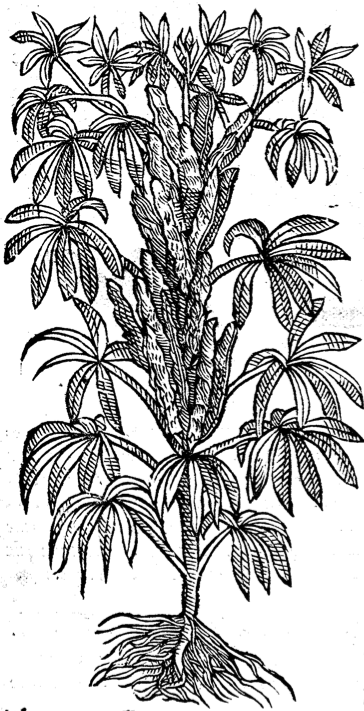
Dioscorides Materia Medica, Mathias, 1563
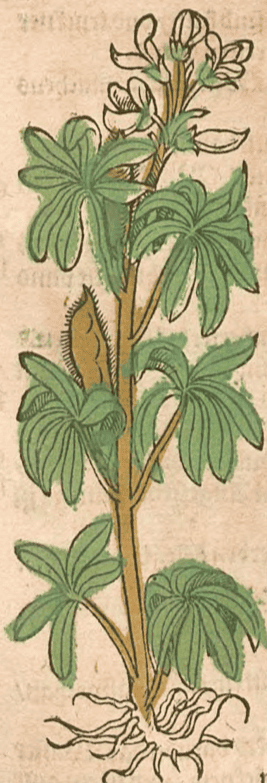
Krauterbuch, Lonitzer, 1578
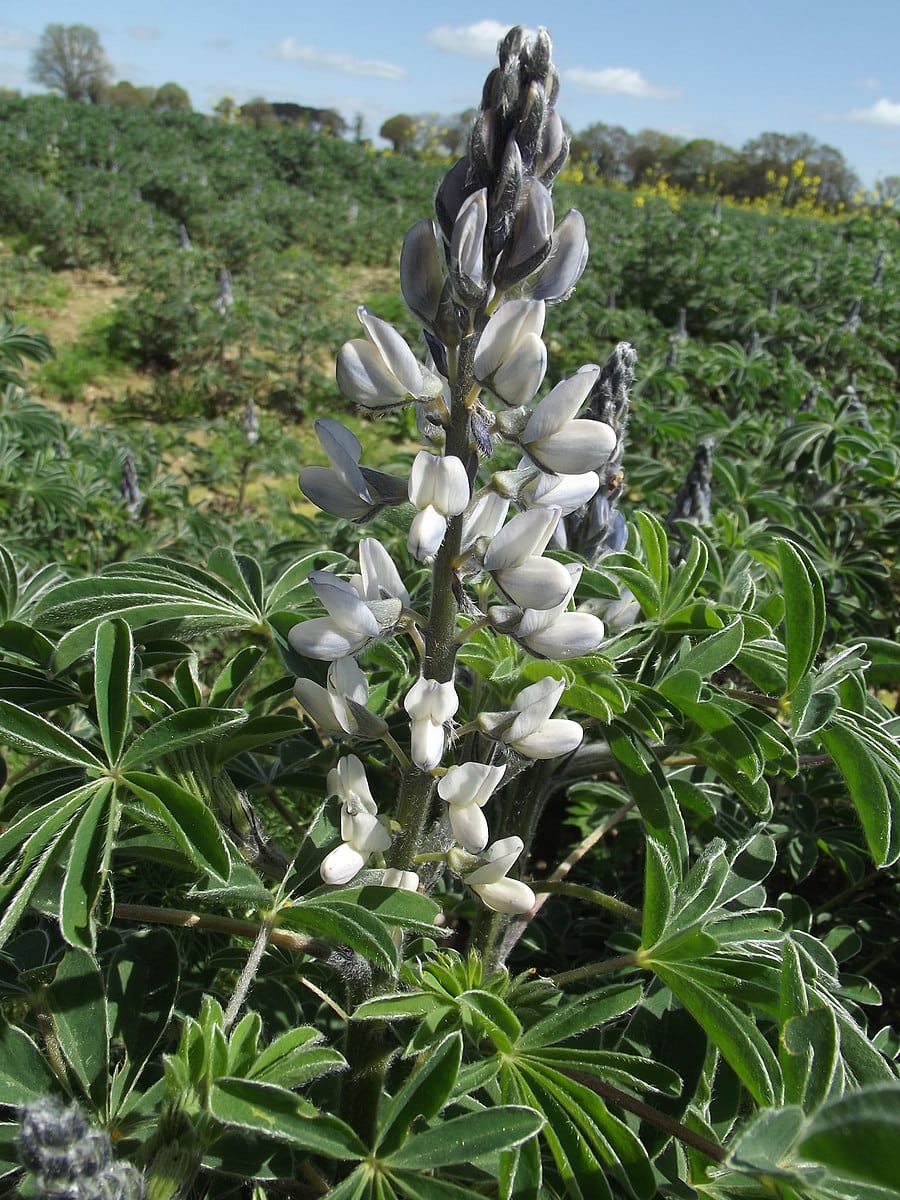
Botanical name:
Lupinus albus (White), L. luteus (Yellow); In Unani, L. polyphyllus is used; the Blue Lupin, L. angustifolia has also been used.
Note that 2 distinct varieties of Lupin occur:
- Bitter (Wild) Lupin: the wild herb (alkaloids 0.6-1.6%)
- Sweet (cultivated) Lupin: cultivated herb (alkaloids 0.01-0.8%)
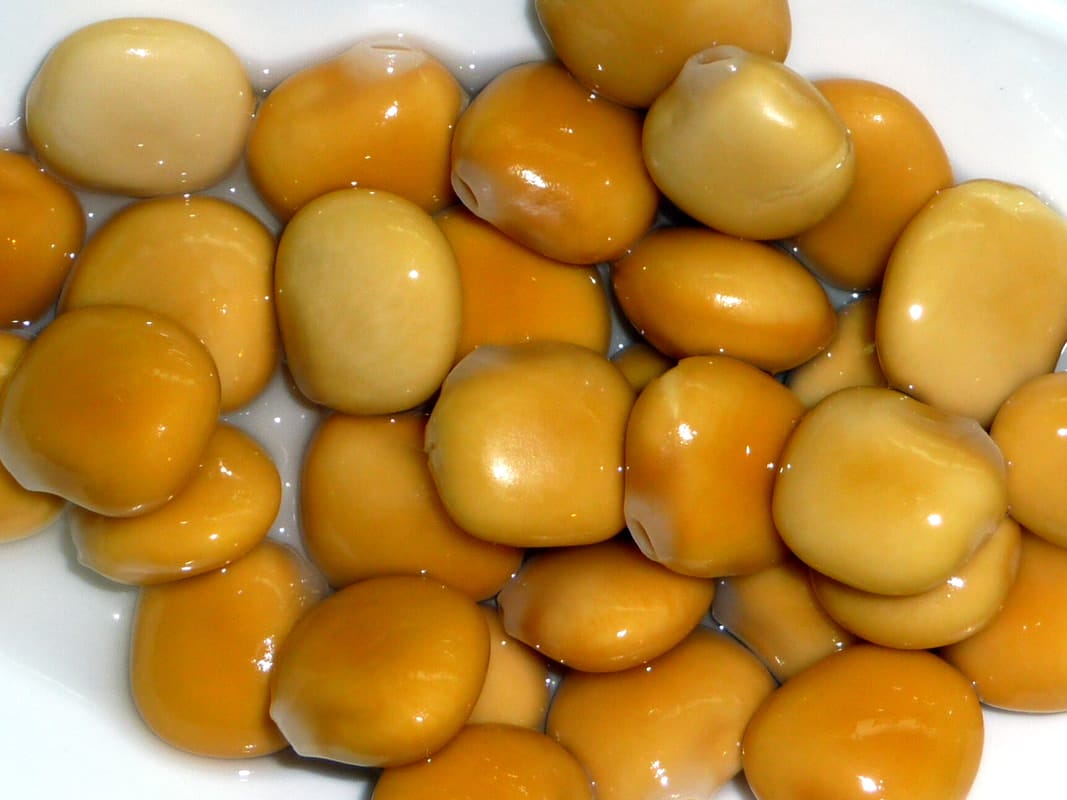
Sweet Lupin has been used as food and is used in medicine.
Parts used:
Seed
Temperature & Taste:
Warm, dry. Bitter
“Hot in First degree and Dry in Second degree”. (Avicenna)
Uses:
1. Moves the Blood, Promotes Menstruation:
-Amenorrhea, Dysmenorrhea
-beneficial in Cardiovascular disease
-“Expels the Fetus” (Avicenna)
2. Clears Cold Phlegm, Stops Cough:
-Cough, Wheezing from Phlegm
-cold Phlegm of the Stomach and Intestines
-Scrofula, Hard Swellings (with Vinegar or Honey and Vinegar)
3. Stimulates Digestion, Moves the Bowels
–”Cures nausea, and stimulates Appetite”. (Avicenna)
-relieves constipation, improves motility
-Liver obstruction, Swelling of the Spleen
4. Kills Worms
-“If the decoction of turmus is taken with vinegar or painted over pubis, or licked with honey, it proves to be useful for expelling the Worms and Tapeworms”. (Avicenna)
-“applied to the stomachs of children against Worms … A decoction of it can also be used to kill worms, as Galen said.”. (Dorsetn, 1540)
5. Diabetes:
-has a proven hypoglycemic effect
6. Externally:
-commonly used instead of Linseed or Barley meal to make poultices.
-a good application to Inflammations.
-“removes Freckles, Pityriasis, Marks, Blood Spots, Pimples and clears the face”. (Avicenna)
-used in skin preparations to beautify the Skin
-it has been applied to Ulcers, Gangrenes, Scabs
-Vitiligo and Leukoderma.
-used externally in baths and washes to relieve Itching and Scabies.
-used externally for Ulcers
-applied to umbilical Hernia in children
-“The plaster of Lupin is useful in Sciatica” (Avicenna)
Dose:
Seed in Powder: 2–4 grams, up to 6 grams;
Seed in Infusion: 3–9 grams
Comment:
Lupin has been used as food and medicine. The Bitter variety is most toxic and is generally not used. The Sweet Lupin seed is highly nutritious containing good levels of protein and oils, but they require soaking to reduce their toxic, bitter alkaloid content.
Preparation:
1. Soaked Lupin Seed:
“To remove its bitterness, it is soaked in water and cooked”. (Avicenna)
Soaking the seeds in water or brine reduces the alkaloid content, which is associated with their bitterness. This is a necessary preparation when used as food.
Studies have shown soaking reduces alkaloid content from 0.5–4% to 0.04% as the alkaloids are readily water soluble.
2. Scorched Lupin Seed:
Scorching the seeds by dry-frying reduces alkaloid content and makes them more warming.
Correctives:
Oregano, Salt (Unani)
Substitutes:
1. Phaseolus vulgaris
2. Water Melon seed (Unani)
Main Combinations:
1. To promote Menstruation, Lupin seed with Myrrh, Madder, Rue, Mint, Cumin seed (as in Troches of Myrrh)
2. Amenorrhea, Dysmenorrhea, Uterine Pain and weakness in Women, Lupin seed with Licorice, Cumin, Black Pepper, Savin, Pennyroyal, Rue, Myrrh, Mugwort, Cyperus, Aniseed, Carrot seed, with Honey as an Electuary (as in Antidotum Haemagogum)
3. Lupin seed with Triphala to clear Cold Phlegm of the Stomach, and as a tonic for the aged with cold, weak Stomach
4. Obstruction of the Liver or Spleen, Lupin, Rue, Black Pepper and Honey. (Avicenna)
5. Umbilical hernia, mixe Lupin powder, burnt linen and wine to a plaster to be applied (Wirtzung)
Major Formulas:
Troches of Myrrh
Antidotum Haemagogum
Cautions:
1. Toxic in overdose, especially the Bitter Lupin seed. Lupin seeds contain quinolizidine alkaloids, mainly sparteine and lupanine. A single Bitter Lupin seed can be toxic to children.
2. Not used in Pregnancy
Toxicity
1. The alkaloids can cause respiration problems and liver damage.
2. Signs of toxicity may include salivation, vomiting, diarrhea, headache, double vision, cardiac rhythm disorders, paralysis, leading possibly to death via respiratory failure.
Main Preparations used:
Arabic name turmus, Lupin, comes from Sumerian TAR MUS.