Outlines of Organotherapy
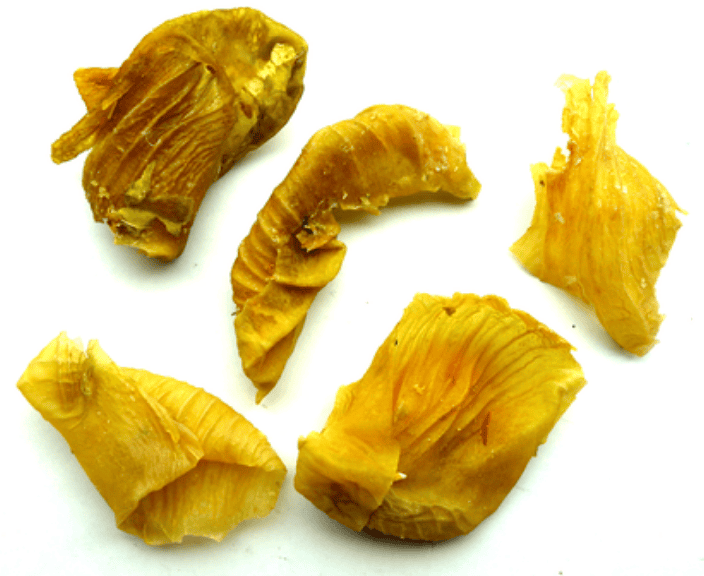
Chicken Gizzard skin, still widely used in TCM,
it has also been traditionally used in the West.
The following is extracted primarily from ‘Outlines of Organotherapy’, Henry R. Harrower, M.D., 1918.
Introduction
Organotherapy is the use of powders or extracts prepared from animal glands and organs. It was in vogue during the early 20th century, but its origins can be traced back through centuries of Traditional Medicine.
The use of Testicles, Genitals, bird Brains, Chicken Gizzard, Ovaries, Uterus, Placenta and other organs and body parts can be found throughout Traditional Medicine texts of both East and West. Likewise various Glands and Organs are or were used as foodstuff, Lung, Liver, Brain, Thymus, Pancreas, Testicles and Blood are or were all commonly eaten.
Organotherapists expanded this traditional practice by making more refined extracts, some of which were injectable, as well as greatly expanding the organs and glands which they used. Also, Organotherapists particularly relied on endocrine gland preparations, and this is where they differ from the use of organs in Traditional Medicine. The latter rarely used endocrine glands, with the exception of Testes. With the understanding of hormones, the use of whole gland extracts preceded the modern use of synthetic isolated hormones widely used in modern medicine.
As with whole plant preparations versus isolated plant extracts, there is an advantage in the use of whole glands. Nutrition including amino acids and trace elements appropriate to the gland are consumed when the whole gland is taken, meaning that their is biological support for the gland being treated rather than just a hormonal stimulation or replacement for hypofunctioning glands. For this reason, it was noted by Organotherapists that isolated hormones (such as adrenalin) were more effective in acute cases, while the whole gland (adrenals) were more effective in chronic conditions.
Commonly used Organs and Glands
Most used Glandular Extracts:
Adrenal
Thymus
Pancreas
Pituitary
Thyroid
Parathyroid
Testes
Prostate
Ovary
Most used Organ Extracts:
Brain
Stomach
Spleen
Kidney
Liver
Other:
Bile
Blood
Bone Marrow
Placenta
Glands
Adrenal
Suprarenal capsule from cattle or other domestic animal.
Prepared as a powder.
i. Adrenal Medulla
-Asthma, Bronchial spasm
-Addison’s disease; Grave’s Disease
-Collapse and Shock
-Heart failure
-Vomiting of Pregnancy
-acute cases were noted to be better treated with adrenaline; chronic cases are better treated with whole gland extract.
DOSE: 1-10th–¼ grain every hour in acute cases; 1–2 grains three times daily in chronic cases.
ii. Adrenal Total Gland
-asthenia, fatigue; all conditions of a ‘run-down’ nature.
-cardiac insufficiency, hypotension
-tuberculosis, cachexia
CAUTION: Diabetes mellitus; Hypertension
DOSE: ½–2½ grains three or four times daily before meals.
iii. Adrenal Cortex
-anti-toxic
-gonad insufficiency; aspermia; impotence
-enhances healing of fractures
DOSE: 2–5 or more grains, three times daily
Thymus (whole gland)
Dried thymus from calves (preferably fetal animals)
Thymus gland was regularly eaten as ‘Sweetbread’ in our grandparents generation.
-controls mineral metabolism, especially calcium
-stimulates hemopoietic and lymphatic glands
-regulates growth and activity of sex organs in childhood
-malnutrition, delayed development in children
-exophthalmic goiter, Grave’s disease
-rheumatoid arthritis
DOSE: 5 or more grains, start with low doses, increasing gradually
Pancreas
Dried Powder from cattle or pigs.
Like Thymus, Pancreas was sometimes formerly eaten as ‘Sweetbread’.
-contains enzymes to benefit digestion; digestive weakness, Indigestion
-Tuberculosis and Cancer (to ‘lower the anti-tryptic index’)
DOSE: 3–10 grains, best taken one hour after meals
Pituitary
While Pituitary is not used in Traditional Medicine, the tonic application of bird Brains, especially Sparrow Brains, suggest that Pituitary hormones may be playing a role.
i. Posterior lobe:
Dried posterior pituitary of cattle
-induces and hastens Labor
-postpartum bleeding
-marked diuretic in uremia, anuria and edema
-fecal impaction and acute intestinal stoppage
-Hyperthyroidism
-Bronchial Asthma
-‘one of the most remarkable of the organotherapeutic extracts and its physiologic action is evident in a widely varying range of clinical cases’.
CAUTIONS: Not used in Pregnancy or early stages of Labor
COMBINATIONS: with adrenal in Addison’s Disease, Asthma and other uses
DOSE: ½–3 grains in powders or tablets, 3 or 4 times daily (up to 15–30 grains was used on occasion).
ii. Anterior Pituitary
Anterior pituitary of cattle
-functional pituitary disorders including infantilism, delayed mental development
-certain types of amenorrhea
-asexual individuals
-Diabetes insipidus
-Bronchial Asthma
DOSE: 1–5 grains, 3–6 times daily; in Asthma, 2½ grains 4 times daily
COMBINATION: with Thyroid or Gonads
iii. Total Gland
Complete pituitary from cattle
-muscular tonic
-diuretic; anuria
-general tonic
-cardiac asthenia, tachycardia
DOSE: ½–1 grain after meals and at bedtime
COMBINATION: general tonic, with Adrenal; run-down, with small doses of Thyroid
Prostate
Prostate gland of cattle
-prostatic hypertrophy with retention, strangury; Prostatitis
-diuretic
DOSE: 3–5 grains, occasionally up to 10 grains
Ovary and Corpus Luteum
Ovarian extract from domestic animals; Corpus Luteum of pregnant cows or sows was used the same.
Ovaries or Uterus of animals has occasionally been used in Traditional Medicine, usually to aid fertility.
-regulates menstruation
-organic or functional ovarian deficiency
-anemia, obesity, skin diseases associated with the ovaries
-amenorrhea, dysmenorrhea
-PMS, Menopause; Hot flushes
-neurasthenia and epilepsy associate with menstruation
CAUTION: Not used in pregnancy; Ovarian Hyperactivity (mental and nervous excitability)
COMBINATION: often with Thyroid extract; also Pituitary gland (total) extract.
DOSE: 2–5 grains, increasing to 15–20 grains, morning and night. It is stopped during menstruation.
Thyroid
Dried Thyroid gland of sheep and lambs (preferably from sheep grazing near the sea).
-Hypothyroidism
-simple Goiter
-senility, mental disorders, insanity, hysteria, melancholy, dementia, other psychoses
-obesity, anemia
-dermatoses, especially pruritus, ichthyosis, pityriasis rubra, scleroderma, psoriasis and even lupus
-dysmenorrhea, amenorrhea, mastodynia, chlorosis, menopause
-rheumatism, arthritis
-said to ‘keep the arteries soft’ in elderly patients
-’Thyroid extract has been used in an almost innumerable number of conditions’.
DOSE: dose is very variable, and changes with the patient. 1-10th–¼ grain for mild hyperthyroidism; inactive or absent Thyroid gland, 1 grain three times daily. In some instances, doses of 10 grains daily were required.
CAUTION: not in hyperthyroidism, Graves disease, palpitations and rapid heart rate.
Overdose symptoms include irritability, tachycardia, insomnia
COMBINATION: combines well with Iodine.
‘Thyroid is “the great organotherapeutic synergist,” small doses frequently adding much to the therapeutic values of many other glandular extracts’.
Parathyroid
Glands usually derived from cattle
-parathyroid insufficiency
-restlessness, insomnia
-principally for Parkinson’s disease (obvious benefit in 80% of cases)
DOSE: 1-10th–1-20th grain two or three times daily, must be taken for months
COMBINATIONS: Liver; Bile salts
Testicles
From Rams or Bulls (or Deer)
Testicles from Bull, Rams and Deer have been long used in Traditional Medicine.
-testicular insufficiency: sterility, debility, premature senility, impotence
-sexual neurosis, neurasthenia
-infantilism
-amenorrhea
-menopause, hot flushes
DOSE: 3–10 grains, beginning with small doses, increase as needed
COMBINATION: Adrenal (total); Prostate; small doses of Thyroid
Organs
Brain
Defatted powder of Brain (sometimes with spinal cord) of sheep
-Mental and nervous disorders, including depression, melancholia, hysteria, epilepsy, neurasthenia
Brains have been used in Traditional Medicine, most commonly, the brains of birds, especially Sparrows brains, used in Aphrodisiac compounds. Chicken brains were used to strengthen the Wit and Memory.
DOSE: 1–3 grains, 3–4 times daily
Lungs
Dried Lungs from young animals, preferably Lamb
Fox lungs was traditionally used in the Western Tradition for Asthma and Lung disease.
-Lung tonic
-chronic bronchitis, purulent pleurisy, lung abscess, etc.; –mediocre results in phthisis, bronchial asthma and emphysema
DOSE: 10–20 grains
Spleen
Spleen from calves, pigs or sheep
-malnutrition; increases weight and nutrition in wasting and phthisis
-anemia; blood tonic
-bone and glandular tuberculosis
DOSE: 5–15 grains
COMBINATIONS: Thyroid; Liver
Kidney
Powder of glomerular substance of the kidneys of cow, sheep or pigs
-specific neutralising effect in toxemia
-diuretic; anuria, albuminuria, ascites, edema
DOSE: 5–15 grains of the powder after meals
Liver
Dried Liver of Cattle or pigs;
Various Liver has been used in Traditional Medicine.
-Liver insufficiency
-atrophic cirrhosis, alcoholic liver
-adjunct in cholelithiasis
-detoxicant in various diseases including gout, rheumatism
-anti-hemorrhagic
-Diabetes associated with Liver dysfunction
DOSE: 15–60 grains (1–4 grams), best given just before meals
CAUTION: not used in Pancreatic Diabetes
COMBINATIONS: Bile; Spleen; sometimes Thyroid
Heart
Heart of a Calf or other domestic animals was occasionally used.
Used to strengthen a weak Heart
DOSE: 15–60 grams, usually in decoction or as a distilled water (Traditionally)
Other
Bile
Bile of cattle or pig, dried or inspissated
Bile has been much used in Traditional Medicine, Bear Bile being the most notorious. Bile is used in Traditional Medicine to clear Heat and Toxin, clear Liver Heat, clear Heat and Wind to stop Spasms. Bile is also much used to benefit the Eyes.
-most effective physiologic cholagogue; biliousness; biliary insufficiency
-cholecystitis, cholelithiasis
-catarrhal Jaundice
-eliminates intestinal putrefaction and breaks down intestinal mucus
-mucous colitis, enteritis
-stimulates bowels; constipation
-useful for Tuberculosis, toxic neurasthenia, migraine with Liver insufficiency.
CAUTION: not in obstructive Jaundice
COMBINATIONS: often used with Liver or Pancreas
DOSE: 2–5 grains dried; 5–15 grains inspissated; often used in enteric coated pills.
Blood (Hemoglobin)
Red blood cells of cattle or other domestic animals.
Several different Blood extracts were prepared including Serum and Anti-thyroid serum.
Dried Blood, especially of a Goat, was used in the Western Tradition for Stones. Other Blood was used against Poison in various systems. The Chinese regularly coagulate Blood and cook it.
-all forms of anemia including chlorosis; anemia after severe blood loss.
-malnutrition
-hypothyroidism (especially in children)
-syphilitic and cancerous cachexia
NOTE: this is effectively an iron supplement, but is far better absorbed than regular iron preparations.
DOSE: 3–5 grains
COMBINATIONS: Often with Thyroid, especially in anemia with signs of hypothyroidism; with Spleen extract and/or Bone marrow to increase Blood.
Bone Marrow
Medullary portion of the long bones of young cattle
Bone Marrow is occasionally used in TCM as a Yin and Essence tonic.
-stimulates hemopoiesis
-anemia, malnutrition, leukemia
-tuberculosis, Bright’s disease
-splenomegaly and chronic Malaria
-Marrow was traditionally used externally to soften hardness and Tumors. (Galen)
DOSE: 5–10 grains of dried extract
Placenta
Placenta preferable from sheep, also cows;
Human placenta is still used in TCM, and was formerly occasionally used in the Western Tradition. It is viewed as a potent Blood, Qi, Yin, Yang and Essence tonic, useful for marked debility.
-useful Postpartum tonic
-promotes milk
-prevents atrophy of the uterus
COMBINATIONS: with Total Pituitary
Sample Organotherapy Combinations:
Development Stimulant for Children
Pituitary (anterior)
Thymus gland
Thyroid gland
Galactogogue
Placenta
Mammary gland
Pituitary (total)
Functional Ovarian disorders
Ovary
Thyroid
Pituitary (total)
Increasing Cellular Nutrition
Liver
Spleen
Bile salts
Adrenal
Paralysis agitans (Parkinsonism)
Parathyroid
Testes
Bile Salts
Functional Hypertension
Pancreas
Thyroid
Senility, Asthenia and Prostate Disease
Testes
Thyroid
Asthenia, Neurasthenia, General Debility
Thyroid
Pituitary
Testes
Adrenal
Suggested Organotherapy with Traditional Medicine
Blood Deficiency: Liver extract, Spleen extract with Si Wu Tang
Impotence: Testes extract with Liu Wei Di Huang Wan, Shen Qi Wan or Diasatyrion (Electuary of Orchis)
General Debility in Men: Testes extract with Si Jun Zi Tang or You Gui Wan
General Debility in Women: Ovary extract with Si Wu Tang or Xiao Yao San
Adrenal Weakness: Adrenal gland extract with Shen Qi Wan
Neurasthenia or Melancholy: Brain extract, Adrenal extract with Xiao Yao San or Leatificans
Prostate disease: Testes extract, Thyroid extract, Zhi Bai Di Huang Wan
Essence Tonic: Placenta extract, Bone Marrow extract with You Gui Wan or Zuo Gui Wan
Immune Deficiency: Thymus extract with Si Jun Zi Tang or Bu Zhong Yi Qi Tang
Severe Digestive Debility: Stomach extract or Chicken Gizzard Skin with Xiang Sha Liu Jun Zi Tang or Diacinnamonum

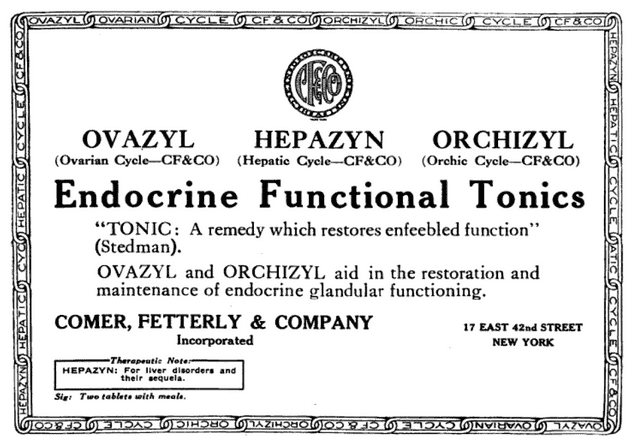
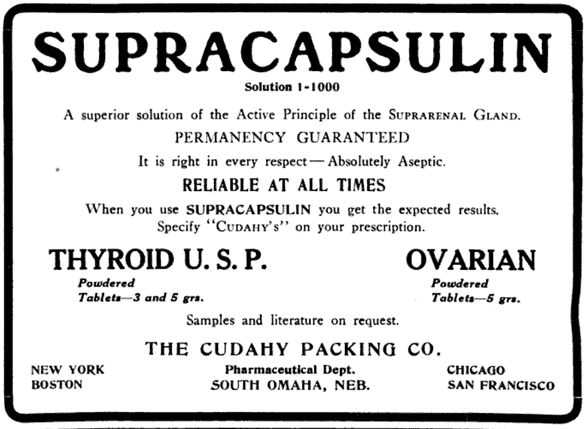
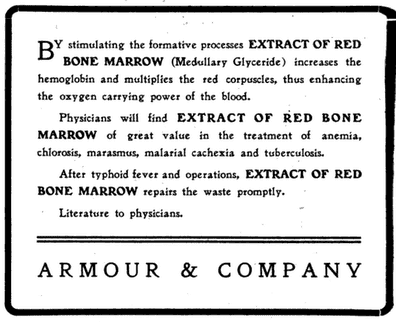
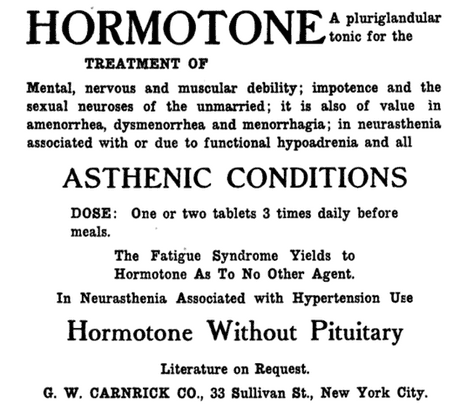
Sample Adverts for Glandular Extracts
(Sourced from medical literature, circa 1910–20)
See also
Introduction to the Use of Animal Medicines
Animal Materia Medica
Animal Organs and By-products