
Unicorn Horn–Narwhal
Monoceros

Unicorn horn was listed in a number of traditional formula, usually against Heat, Poison, and Infectious diseases. Its use is similar to the use of Rhinoceros horn in TCM. For a long time, the exact source of this medicine was obscure. It has been said that sailors in northern waters would sometimes see horses on the beaches of Islands, and when they landed they would find long, pointed, spiral horns. This, perhaps, is the origin of the mythical Unicorn–the horse with a horn on its head. The horn, however, is from the Narwhal, and was revered as a potent medicine against Poison and Infectious diseases.
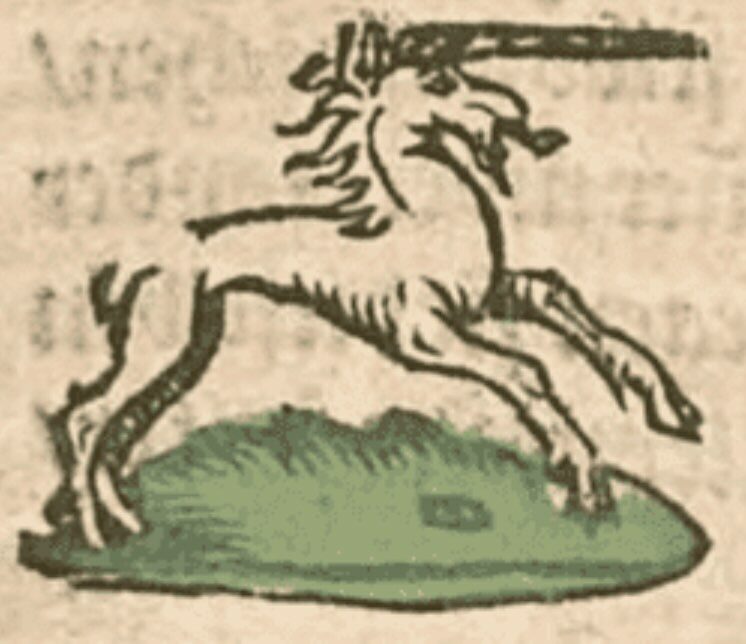
Mythical Unicorn
Krauterbuch, Lonitzer, 1578
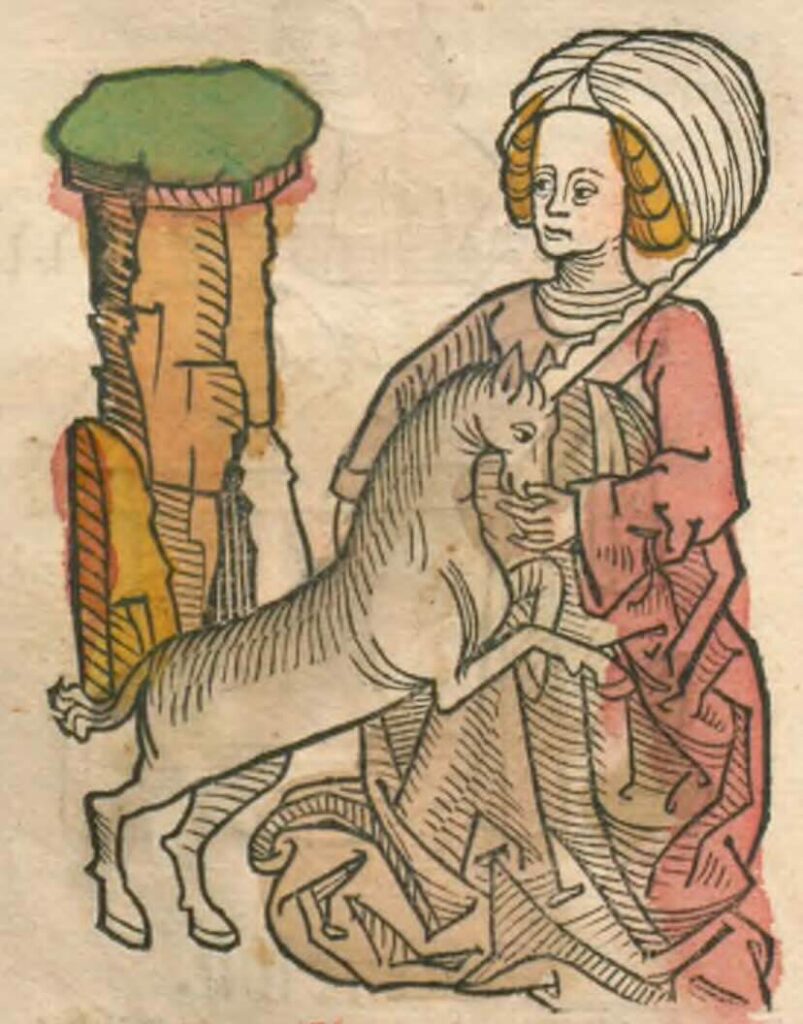
Hortus sanitatis, 1491
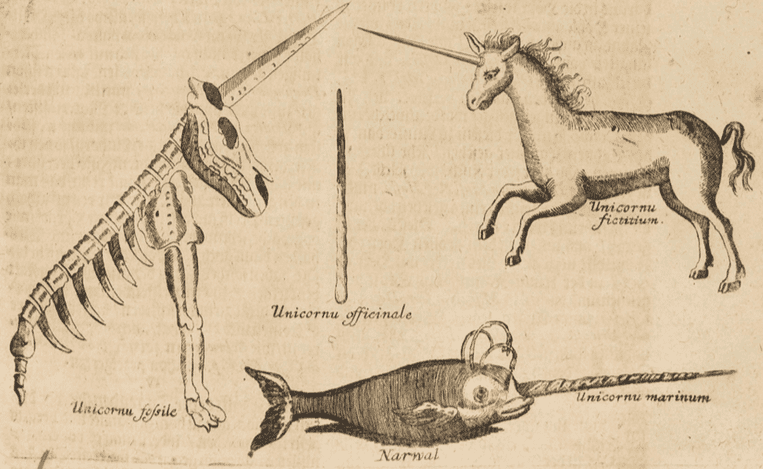
Illustration of both the mythical and true Unicorn (Narwhal)
Museum Museorum, Valentini, 1704
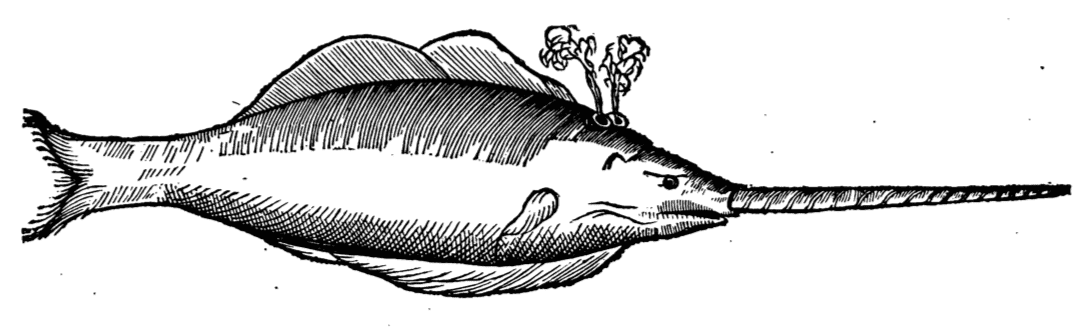
‘Unicorn Marinum‘
Museum Wormianum, 1655
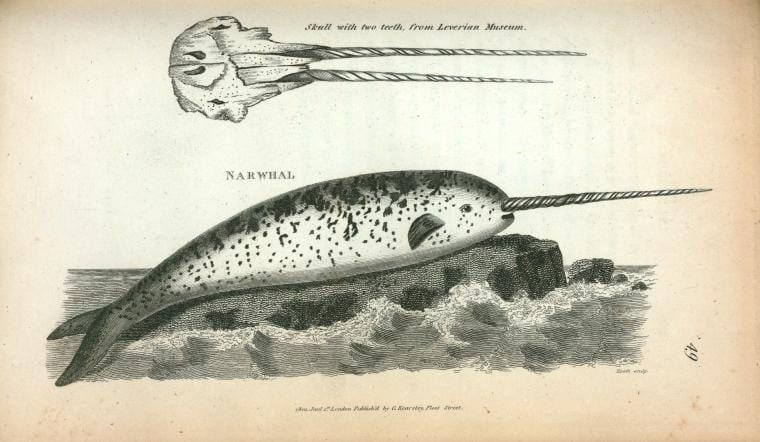
Narwhal, the true source of Unicorn horn.
(Shaw, G. Zoological Lectures delivered at the Royal Institution, 1809)
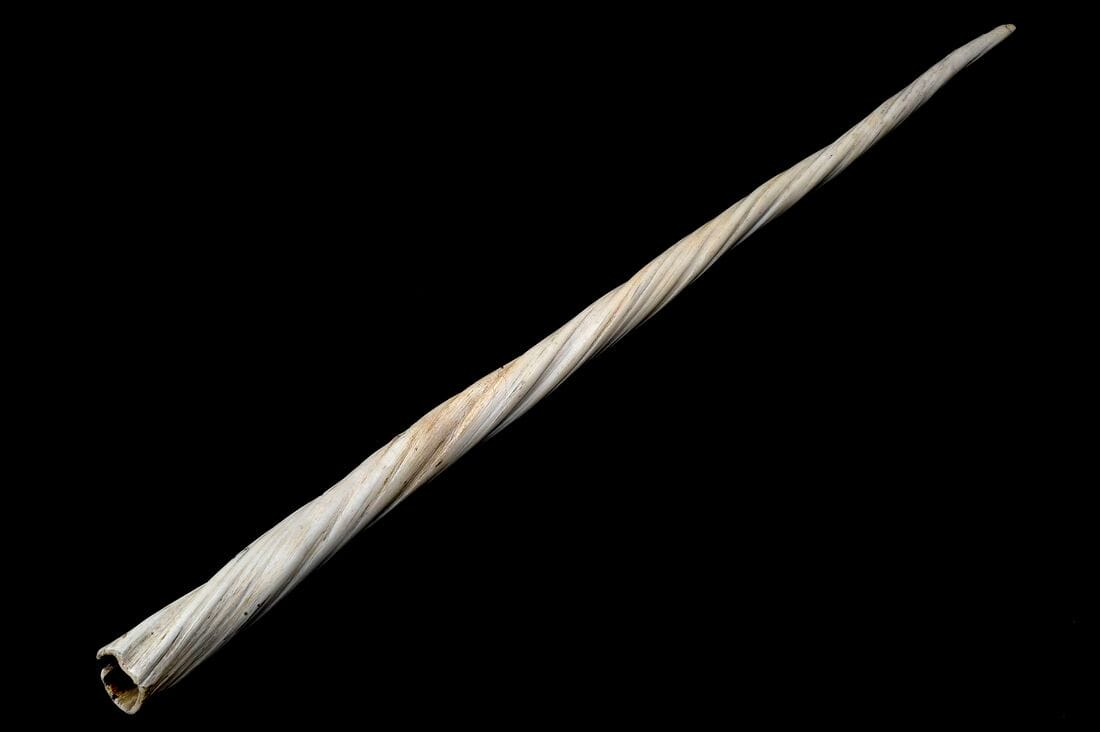
Narwhal horn
(Photo: Welcome)
Zoological name:
Monodon monoceros
Parts used:
Horn
Temperature & Taste:
Cold, dry. Salty
Classification:
Uses:
1. Clears Heat, Resists Poison:
-Fevers, including Epidemic Fever
-venomous Bites including Snake Bite and Rabid Dogs
-generally used as Rhino horn in TCM
2. Cheers the Heart:
-used in Cordial preparations
-“exhilarates and roborates [strengthens] the Noble parts”. (Renodeus, 1657)
Dose:
Powder: 250mg–1 gram
Substitutes:
1. “Unicorn horn” in the West was used similarly to Rhinoceros horn in TCM. Both are used against Heat and Poison, and both were highly regarded for that purpose. TCM now considers the extract of Water Buffalo horn as an acceptable substitute for Rhino horn, and this may be used in place of Unicorn horn. The dose should be 10-fold, but the 10:1 extracts available may be used on a 1:1 basis in formula.
2. Deer horn may be used. Deer horn is also recognised as a suitable substitute for Rhinoceros horn in Tibetan Medicine.
3. “all patients being not equally rich, it is only exhibited to the richer; to others I prescribe Rhinoceros, and Harts [Deer]–horn, with no less success”. (Renodeus, 1657)
4. It was also accounted very similar to Ivory, and Ivory was regularly used as a “cheap” substitute for Narwhal horn.
Main Combinations:
1. A Gelatin was prepared with a little Saffron and Cochineal, and this was used as a Cordial.
2. Epidemic disease including Plague:
i. Unicorn horn, Bezoar, Camphor
ii. Unicorn horn, Jacinth (Zircon), Garnet, Ruby, Emerald, Sapphire, Pearl, Coral, Sandalwood, Red Earth, Sealed Earth, Gold leaf, made into a confection with Sugar dissolved in Rose Water. This is used to support the infected patient. (Wirtzung)
3. To protect the Heart in Fever, Unicorn horn, Red Coral, Bezoar, Saffron
Major Formulas:
Cordial Powder
Powder Against Abortion (France)
Troches for Heart Weakness
The Goa Stone
Cautions:
1. It is Cold, so generally only used in cases with Heat.
Main Preparations used:
Powder, Gelatin
“According to ancient naturalists, it is a four-legged animal, not unlike a horse, and has a straight horn on its forehead, twisted like a snail, three feet long, and spiky, which it uses for its protection. However, this animal is nowhere to be found, and no one who has written about it can say that they have seen it; nor has the place where it fell been indicated. It is certainly true that a horn has been brought to us which is as white as ivory, very heavy, up to two ells long, coiled, hollow inside, and is called a unicorn, also used for armor. This horn, however, grows on a large fish, which the Icelanders call a narwhal”. (Lemery, 1721)
Powdered Narwhal horn sold for its weight in Gold a few centuries ago.